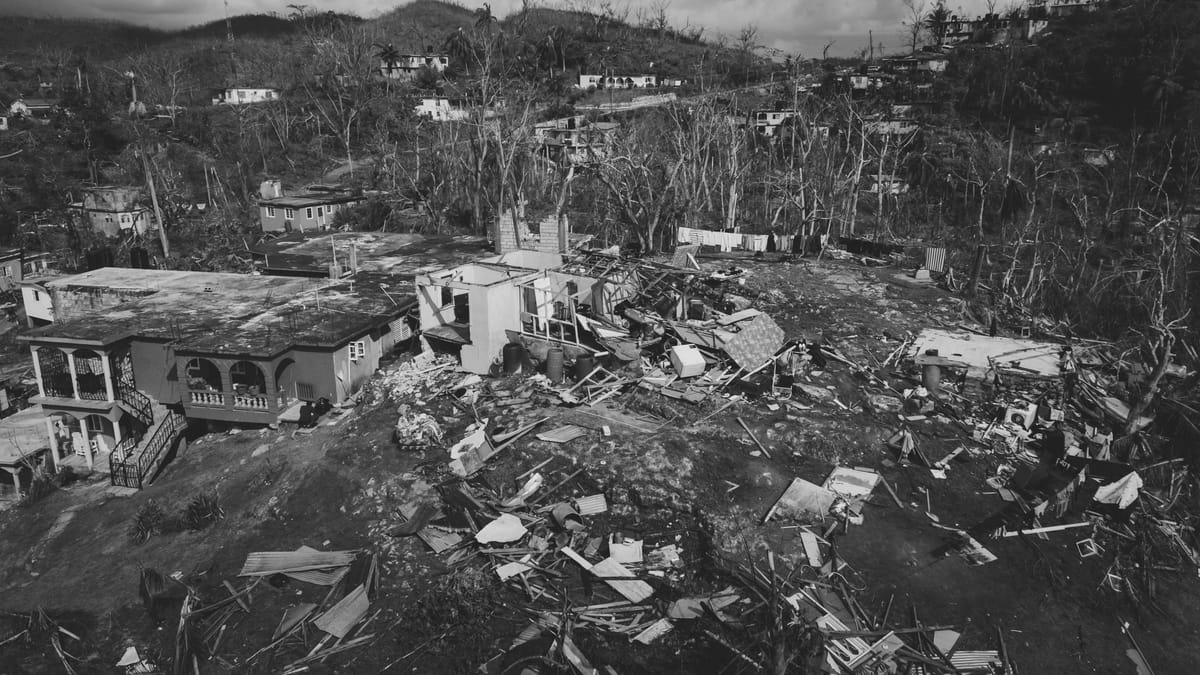
What Hurricane Melissa Teaches Emergency Drone Teams
Jamaica's Hurricane Melissa response shows why emergency drone teams need a decision queue, clear airspace coordination, disciplined data handoffs and local leadership before the next storm.

Topic archive
Browse every public post published in this archive.
Jamaica's Hurricane Melissa response shows why emergency drone teams need a decision queue, clear airspace coordination, disciplined data handoffs and local leadership before the next storm.
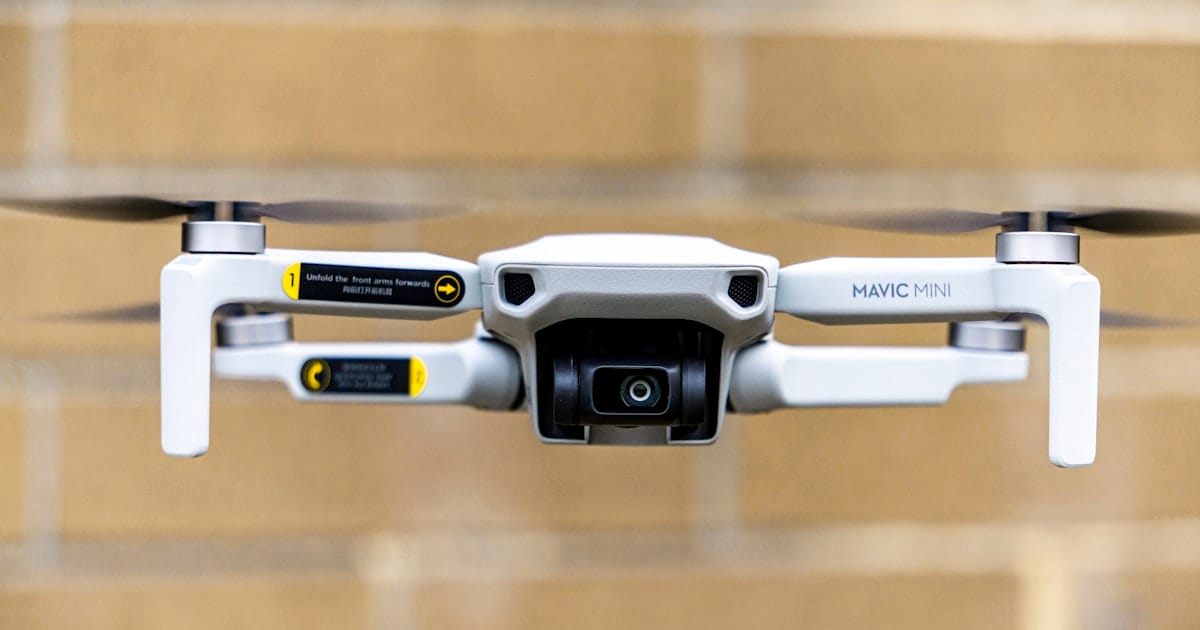
FAA and Transport Canada signals point to a larger commercial drone base, but the hard part is shifting from interest to repeatable operations, approvals and operator discipline.
Transport Canada's current guidance draws a sharper line between the Canadian pilot certificate requirement and the situations where foreign pilots still need an SFOC-RPAS.
A Part 107 certificate does not show an expiration date, but pilots still need current aeronautical knowledge. The FAA requirement is online recurrent training every 24 calendar months.
A commercial drone fleet needs more than extra airframes. Build clear aircraft records, pilot currency checks, data custody and job handoffs before the work becomes harder to control.
Transport Canada's July Drone Zone update adds six information sessions for NPA 2026-005. Operators should use the sessions to sharpen written feedback before September 9.
A fact check changes the draft framing: DJI and Skydio are not public stocks. For 2026, the better lens is public drone-related exposure, not a simple list of pure-play drone stocks.
Commercial UAV Expo 2026 is scheduled for September 1-3 at Caesars Forum in Las Vegas, with sessions focused on practical commercial drone operations.
AeroVironment received a potential $500 million Army contract for commercial counter-UAS and counter small-UAS capabilities, reinforcing demand for drone defense systems.