
Transport Canada Sets July Remote ID Sessions Ahead Of September 9 Deadline
Transport Canada's July Drone Zone update adds six information sessions for NPA 2026-005. Operators should use the sessions to sharpen written feedback before September 9.
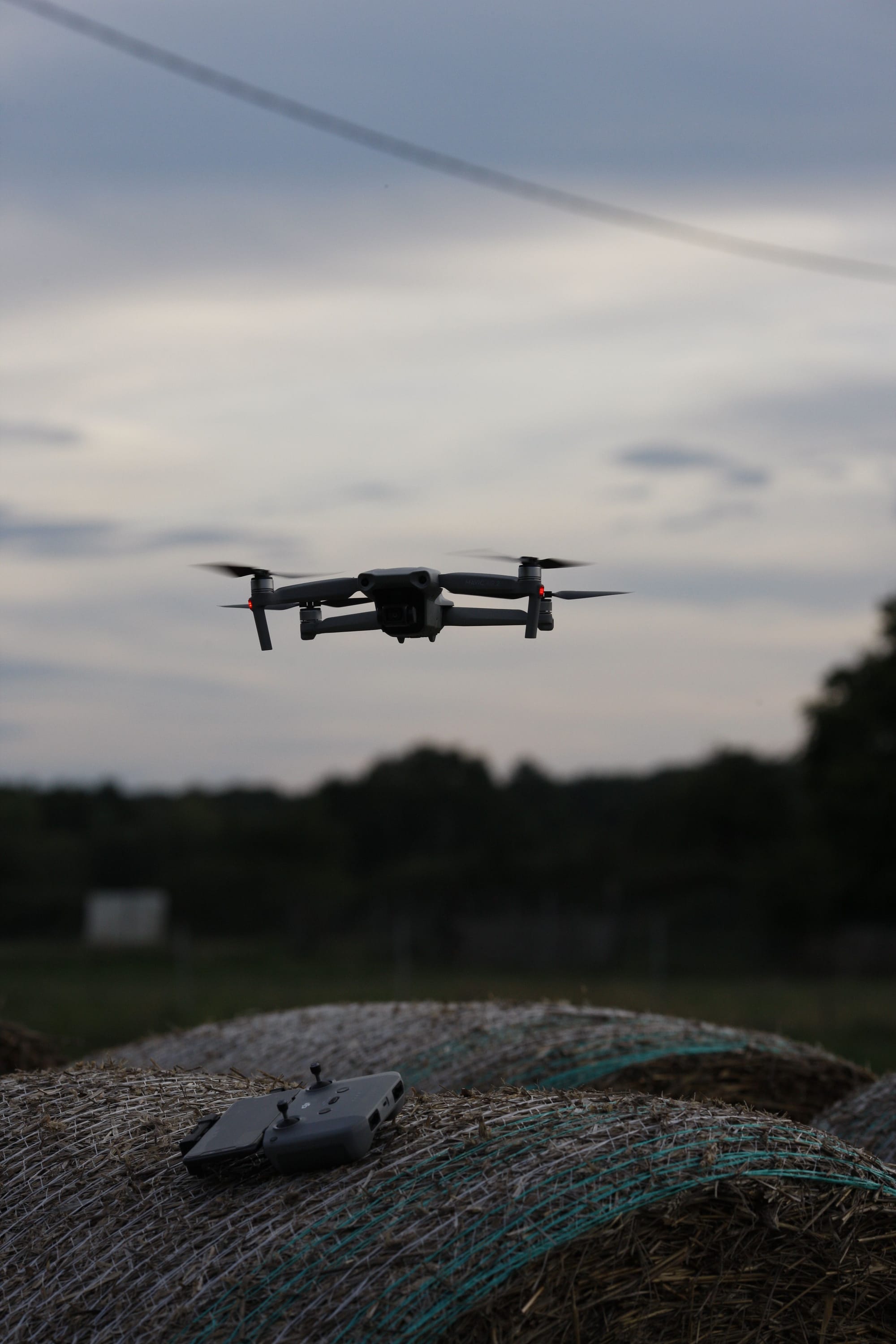
Transport Canada's July Drone Zone update gives Canadian drone operators something more useful than another headline about Remote ID. It gives them dates, topics and a clear reminder that the September 9, 2026 deadline is for written feedback, not just general interest.
The proposal is NPA 2026-005, titled RPAS: Remote Identification, Community-Based Organizations, and Designated Airspace. That numbering matters because some outside summaries have used inconsistent labels. The official Transport Canada details page lists the NPA number as 2026-005, with Part VI, Part IX and Standard 922 as the regulatory references.
Aerosyne already covered the proposal itself in our June Remote ID planning note. The July update is different. It is about how operators should use the information sessions before the comment window closes.
The July Sessions On The Calendar
Transport Canada says it is holding virtual Microsoft Teams sessions to support its 2026 proposal to amend Part IX of the Canadian Aviation Regulations. The schedule separates the three big pieces of NPA 2026-005 instead of treating the proposal as one broad drone-policy bundle.
- Remote Identification, English session, July 14, 2026, 1:00 to 2:30 PM ET.
- Remote Identification, French session, July 16, 2026, 1:00 to 2:30 PM ET.
- Community-Based Organizations, English session, July 21, 2026, 1:00 to 2:30 PM ET.
- Community-Based Organizations, French session, July 23, 2026, 1:00 to 2:30 PM ET.
- Designated Airspace, English session, July 28, 2026, 1:00 to 2:30 PM ET.
- Designated Airspace, French session, July 30, 2026, 1:00 to 2:30 PM ET.
For commercial operators, the Remote Identification sessions are the obvious starting point. The designated airspace sessions may matter just as much for teams flying recurring infrastructure, inspection, public safety support or industrial work near sensitive sites. The CBO sessions are aimed more directly at recreational organizations, but professional operators should still understand where Transport Canada is drawing the line between community relief and commercial compliance.
Questions Are Not Formal Feedback
The most important line in Transport Canada's July update is easy to miss. Questions submitted during an information session will not be registered as official feedback on the NPA. The sessions are useful for understanding the proposal, but they are not a substitute for written comments through official channels.
That distinction should shape how operators prepare. A team should not walk into a webinar hoping to solve everything live. The better use of the session is to identify which parts of the proposal affect the operation, ask narrow questions where the text is unclear, then turn those answers into a written submission before September 9.
Transport Canada also says the sessions will not be recorded because of privacy requirements. If your company has regulatory, fleet or safety staff who need the details, register the right people in advance instead of assuming a recording will be available later.
What Operators Should Bring To The Sessions
The useful questions will be operational. For Remote ID, operators should bring examples from real fleet planning: which aircraft are already capable, which aircraft may need modules, which jobs happen outside reliable cellular coverage and which maintenance records would need to change.
For designated airspace, the questions should be tied to routes and customers. A utility inspection provider, a port operator and a public safety support contractor may all see the same proposed tool differently. The information session is the place to clarify how Transport Canada expects pilots to learn about designated RPAS airspace, how changes will be communicated and how recurring work near sensitive sites should be planned.
For Community-Based Organizations, commercial teams may not be the primary audience, but the topic still matters. The more recreational and club-based operations are separated from professional operating requirements, the easier it becomes for clients and regulators to understand which standard applies to a paid job.
The September 9 Deadline Is The Real Marker
NPA 2026-005 does not make Remote ID mandatory immediately. It is still a proposal. But the September 9 consultation deadline is a real planning marker because it is the point at which operators lose the easiest channel for shaping the text before the rulemaking process moves forward.
Commercial teams should leave July with three things: a fleet inventory by Remote ID readiness, a list of operational questions that still need Transport Canada clarification and a written comment that explains the practical effect of the proposal on actual work. General objections are easy to discount. Specific examples from inspection, mapping, agriculture, emergency response and industrial operations are harder to ignore.
The practical takeaway is simple. Register for the sessions that match your operation, use the Q&A to clarify the proposal and submit formal written feedback before September 9. The operators who treat July as preparation time will be in a stronger position than the ones who wait for final text.

Related reading
Continue the thread.
Related posts are pulled from the same primary topic as the current article.

Transport Canada Just Put the Radio Link in the Weather Section
Transport Canada now places urban command and control guidance beside wind guidance. Brief the radio path and the airflow as one operating environment.

Line-side resupply is the number worth keeping
Aerial resupply of planting crews closed its season with more than a million seedlings delivered. What made it work was not lift capacity, it was removing walking from the crew's day.

Why a rooftop drone response needs its own rulebook
Running emergent aerial response and scheduled investigative flying on the same fleet looks efficient. The first quarter of a Canadian program shows why the two are kept apart.