

construction
When Drone Data Enters The Construction System Of Record
Construction software changes are a reminder that drone imagery needs ownership, validation, retention, and a clear route to field action.
Topic archive
Browse every public post published in this archive.
Construction software changes are a reminder that drone imagery needs ownership, validation, retention, and a clear route to field action.

The UK CAA's airspace architecture concept offers a practical lesson: treat airspace status as dispatch data before a commercial drone team rolls.

Commercial UAV Expo's upcoming operator keynote is a useful prompt for field teams: capture friction, assign a fix, and show that the next job ran better.

A reported landslide deployment shows why the first drone map should help command teams make a safer next move, not merely produce a technical model.

A Guyana drone-services case study shows why repeatable workflows, specialist skills, and local capacity matter more than adding another aircraft.
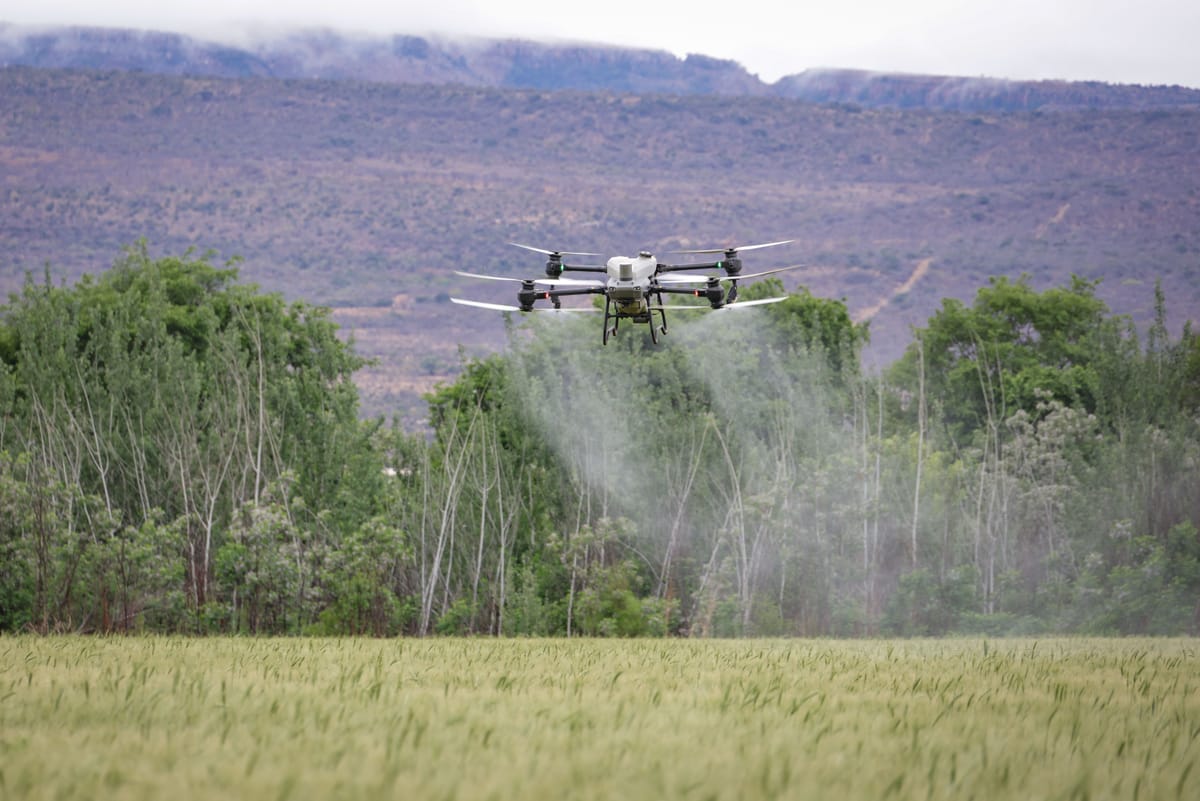
Health Canada's final RPAS pesticide policy creates a path for aerial-labelled products, but operators still need disciplined label review, crew roles, PPE, calibration and provincial approvals.

Canada's Defence Drone Initiative is not a commercial operating rule change, but it is a clear signal that supplier records, supportability and data handling are becoming more valuable.

Human factors matter on ordinary commercial drone jobs. Crews need roles, callouts, stop triggers and handoffs before one pilot is asked to watch everything at once.
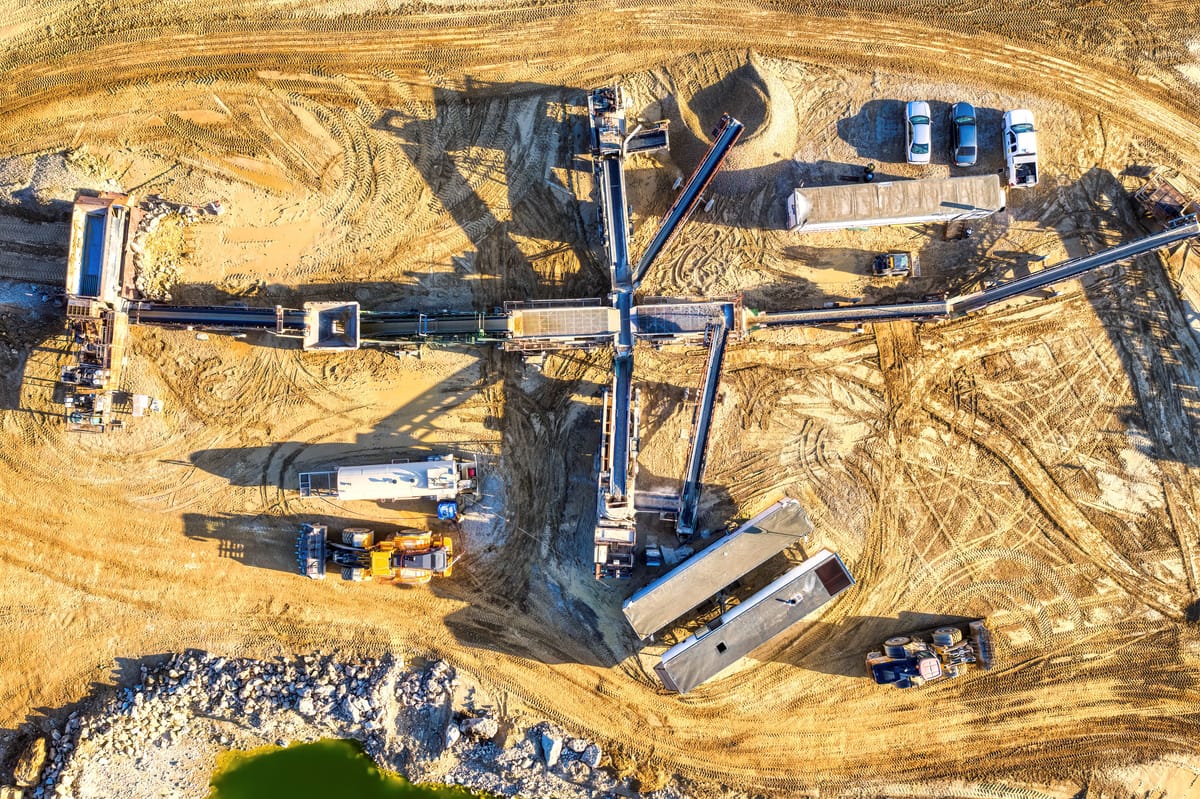
Airbus and Voyageur's first Canadian U030 Flexrotor order is a useful signal for inspection teams. Longer endurance only helps when supervision, recovery and data handoff are planned together.