
A Practical Fleet Operations Playbook For Commercial Drone Teams
A commercial drone fleet needs more than extra airframes. Build clear aircraft records, pilot currency checks, data custody and job handoffs before the work becomes harder to control.
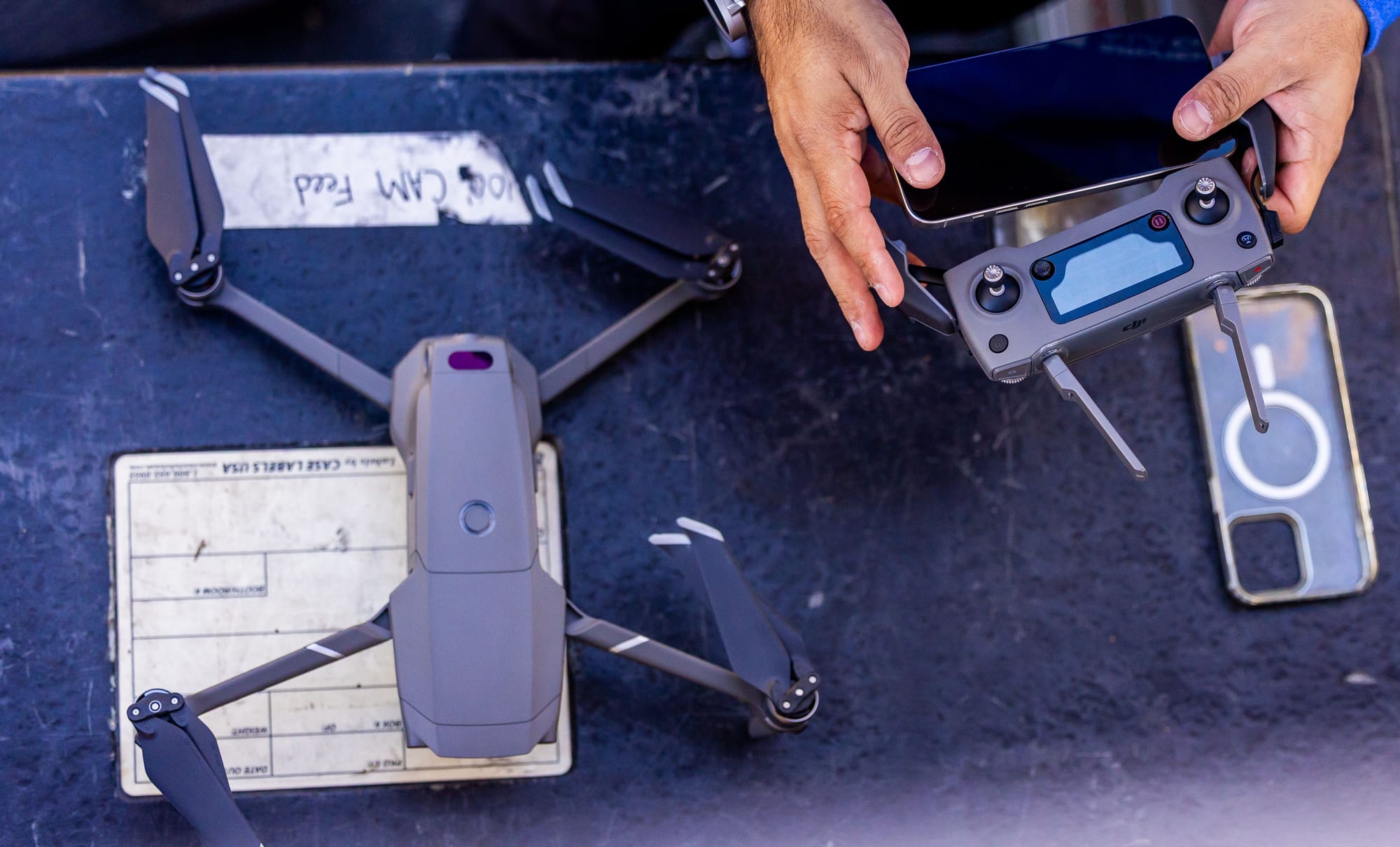
Adding a second or third drone changes the job. The flight itself may still be familiar, but the operation now needs a reliable way to answer basic questions: which aircraft flew the mission, who was responsible, what work was completed, where the data went, and whether the aircraft is ready for its next assignment.
That does not require a large operations department or a new software platform on day one. It does require a few habits that make the work traceable. The aim is not paperwork for its own sake. It is making the next decision easier when a pilot, client, insurer, manufacturer or regulator needs a clear record.
Give Every Airframe Its Own Record
Start with one durable record for each aircraft. At minimum, keep its registration details where applicable, serial number, configuration, batteries and payloads in use, operating limitations, maintenance history and current status. A shared spreadsheet can work at first, provided the team agrees who updates it and when.
In the United States, the remote pilot in command must assess before each flight whether the small unmanned aircraft is in a condition for safe operation. FAA guidance recommends following the manufacturer's maintenance instructions when they are available, and establishing a maintenance protocol when they are not. That makes manufacturer documentation the right starting point, not a generic flight-hour rule copied from another aircraft.
Canadian operators should also keep the aircraft record tied to the actual rules and operating category that apply to the mission. Transport Canada's Part IX framework includes recordkeeping for RPAS owners, including maintenance actions, modifications and repairs. More complex operations can carry additional operator manual and record requirements. The useful operational principle is the same: one airframe, one visible history.
Make Maintenance A Scheduled Decision
Maintenance is easiest to manage when it is treated as a planned decision rather than a memory test. Create a short pre-flight and post-flight checklist, record defects as soon as they are noticed, and set reminders based on the aircraft manufacturer's published intervals, component instructions and the way the aircraft is actually used.
Keep open items visible. A battery with abnormal behavior, a damaged propeller, a payload issue or a firmware-related concern should not disappear into a chat thread. Record the issue, the action taken, who completed it and the date. That gives the team a practical handoff between pilots and a better basis for deciding whether the aircraft should fly.
Separate Pilot Currency From The Daily Schedule
A calendar answers who is available. It does not, by itself, answer who is appropriate for the mission. Keep a simple roster that connects each pilot to the aircraft, payloads and operating environments they are trained to use, along with the relevant certificate, recency and company-training records.
This matters most when the schedule changes at the last minute. Before moving a pilot onto a different aircraft or mission, confirm that the assignment matches the applicable operating rules, the manufacturer's instructions and the team's own procedures. In the United States, Part 107 has its own remote-pilot requirements. In Canada, pilot certificate and recency requirements depend on the operation. A single shared view keeps that check from becoming a scramble on site.
Give Flight Data A Home Before The Mission Starts
Commercial teams tend to lose time not because they lack data, but because the data lands in too many places. Establish one project folder or system of record before the job begins. Use a consistent naming pattern that includes the job, date, aircraft and deliverable. Keep raw files separate from processed outputs, and make the handoff point clear.
A workable structure can be simple: a folder for planning and permissions, a folder for raw capture, a folder for working files, and a folder for final client deliverables. Pair it with a backup routine the team can actually complete. The important part is consistency, especially when multiple pilots or processing staff touch the same project.
Close Each Job With A Handoff, Not A Memory
After a mission, capture the essentials while they are still easy to verify: aircraft used, pilot, location, time, files created, maintenance notes, client deliverables and any follow-up work. That record supports billing, helps the next crew understand the aircraft's status and makes it easier to find the source material if a client asks for a revision later.
For jobs with several sites or repeated flights, use a short completion checklist. It should confirm the deliverables, the file location, any outstanding maintenance item and the person responsible for the next action. This is less about adding process than preventing small omissions from becoming expensive rework.
Build The System In Stages
Do not try to redesign the whole operation in a week. Begin with the part that is causing the most friction, usually aircraft records or data custody. Run that process for two weeks, collect feedback from the people using it, then improve it before adding the next layer.
A sensible first month can look like this: create individual airframe records, agree on a pre-flight and defect-reporting routine, build a pilot and equipment roster, then standardize the project folder and handoff checklist. Once those pieces are working, software can help automate reminders and reporting. It should support a clear operating process, not substitute for one.
The Point Is Operational Clarity
A fleet becomes manageable when every team member can find the same answer to the same question. Which aircraft is available? What work is due? Who can take this mission? Where is the data? What is still open?
For commercial drone teams in the United States and Canada, that clarity supports safer decisions, steadier client delivery and better compliance with the requirements that apply to the work. Start with the records you already need, keep them current, and add complexity only when the operation genuinely calls for it.

Related reading
Continue the thread.
Related posts are pulled from the same primary topic as the current article.

What Operator Feedback Should Change Before The Next Drone Job
Commercial UAV Expo's upcoming operator keynote is a useful prompt for field teams: capture friction, assign a fix, and show that the next job ran better.

What Guyana's Drone Service Boom Gets Right About Field Operations
A Guyana drone-services case study shows why repeatable workflows, specialist skills, and local capacity matter more than adding another aircraft.

You Own A Business That Flies Drones: What Building A Drone Photography Career Actually Takes
A recent Commercial UAV News webinar made the point plainly: a drone photography career is a business first and a flight skill second. Pricing, post-processing, backups and compliance decide whether the work lasts.