
California Company Secures $500 Million Counter-Drone System Contract
AeroVironment received a potential $500 million Army contract for commercial counter-UAS and counter small-UAS capabilities, reinforcing demand for drone defense systems.
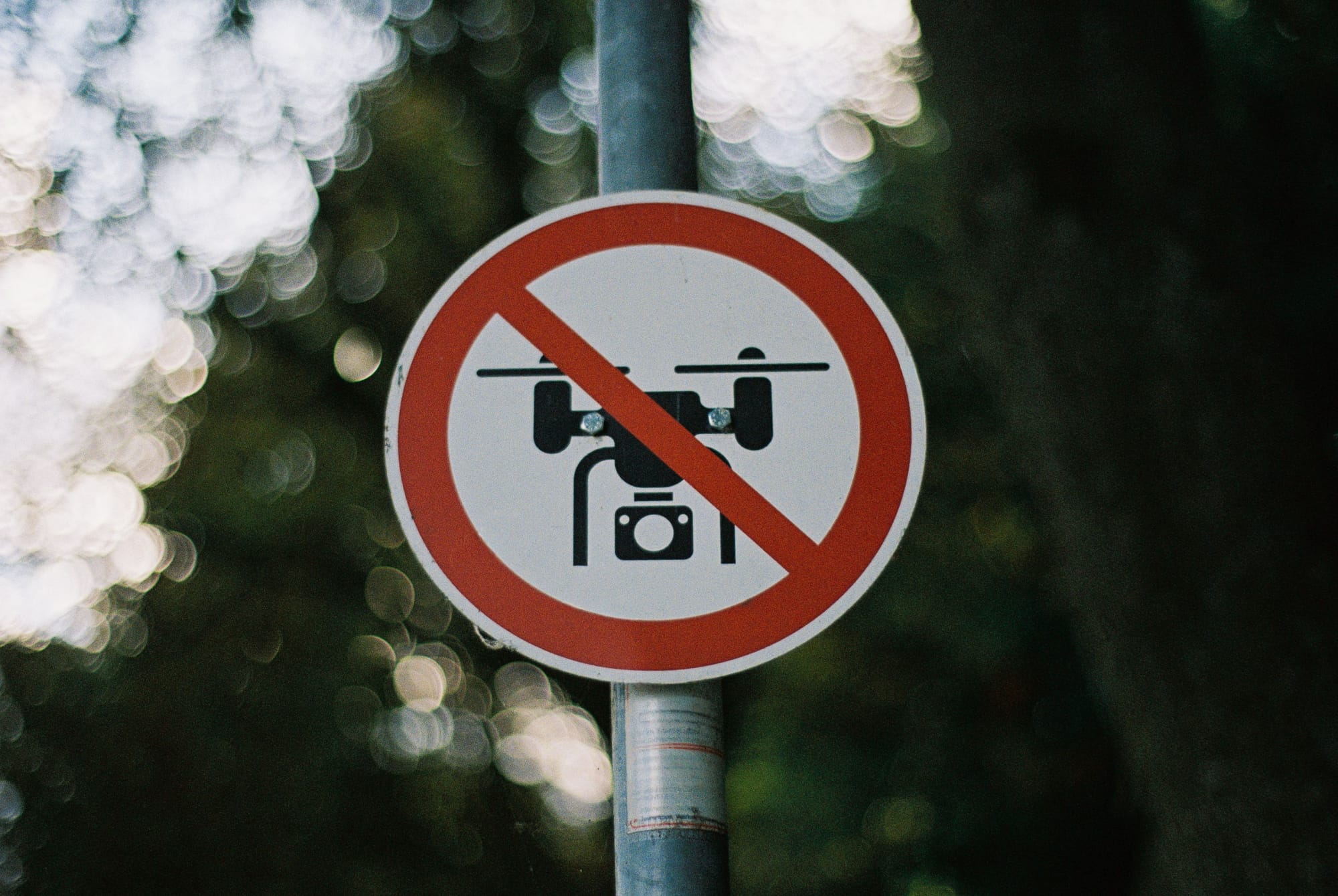
AeroVironment, based in Simi Valley, California, has received a potential $500 million Army contract for commercial counter-unmanned aerial systems and counter small-UAS capabilities. DefenseScoop reported that the award runs over three years, with Army Contracting Command at Detroit Arsenal as the contracting activity.
What The Contract Covers
The public contract details are limited, but the scope is clear enough: the military is buying counter-drone capability as a standing need, not as a one-off experiment. ClearanceJobs, summarizing the award notice, said work locations and funding will be determined with each order and listed an estimated completion date of June 29, 2029.
Why It Matters Beyond Defense
Counter-drone technology is moving into airports, correctional facilities, utilities, stadiums and industrial sites. Most commercial organizations still cannot interfere with drones on their own authority, but they increasingly need detection, reporting and response workflows.
The contract also matters because defense demand can shape the vendor market. If military buyers fund more capable sensors, command systems and mitigation tools, the commercial security market usually sees better options later.
For Commercial Operators
The practical takeaway is not to buy a jammer. In most civilian contexts, mitigation authority remains tightly controlled. The useful move is to understand detection options, escalation paths and who has legal authority to act if a drone becomes a security threat near a client site.
The Bottom Line
The counter-drone market is becoming part of the broader commercial drone operating environment. Operators who work near critical infrastructure should understand both sides of that market: how to fly legally, and how their clients may respond when unauthorized drones appear.

Related reading
Continue the thread.
Related posts are pulled from the same primary topic as the current article.
The Part 107 Test Starts Showing Unfamiliar Charts on October 26
From 26 October, the FAA UAS knowledge test can use current chart images outside the testing supplement. Teams should teach chart interpretation, not page recognition.

A Restriction That Arrives in a Day: What the Southern Border Drone TFR Changes for Corridor Work
A temporary flight restriction now covers the full altitude band used by most commercial drone work within one nautical mile north of the U.S.-Mexico border. Here is the workflow corridor teams should check first.

FCC Moves to Open 50 MHz of Low-Band Spectrum for Drones: What It Changes for Field Programs
The FCC has circulated a draft order that would lift a decades-old ban on airborne use of the 800 MHz Cellular band, opening 50 MHz of low-band spectrum to drones. The rule is about connectivity, not flight authority, and that distinction should shape how field programs plan their links.