
Foreign Drone Pilots Flying In Canada: Where The Certificate Ends And The SFOC Begins
Transport Canada's current guidance draws a sharper line between the Canadian pilot certificate requirement and the situations where foreign pilots still need an SFOC-RPAS.
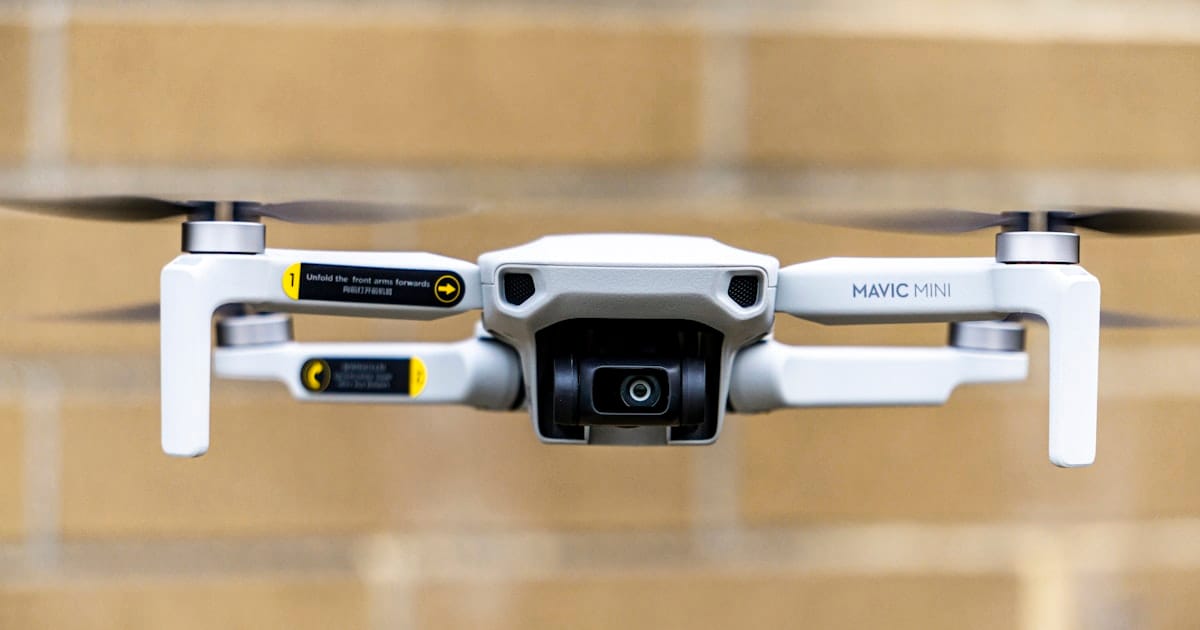
For foreign drone pilots flying in Canada, the first compliance trap is assuming the pilot certificate answers the whole question. Transport Canada's current guidance says a foreign pilot flying a drone weighing 250 grams or more in Canada needs a Canadian drone pilot certificate, even if that pilot is already authorized in another country. But the certificate is only one part of the picture. Depending on the aircraft, the purpose of the flight and who the operator is, a foreign SFOC-RPAS may still be required.
That distinction matters for U.S. commercial teams that cross the border for inspection, mapping or specialty service work. The job can look straightforward on the calendar and still fail the paperwork check if the team only plans for pilot credentials.
Who Transport Canada Treats As A Foreign Pilot
Transport Canada says a foreign pilot is someone who is not a Canadian citizen, permanent resident or corporation incorporated by or under federal or provincial law. Once that definition applies, the agency's foreign pilot guidance becomes the right starting point, not a general assumption that home-country approvals will carry over.
For drones weighing 250 grams or more, the baseline rule is clear: the pilot needs a Canadian drone pilot certificate. Transport Canada also states there are no special pilot certification credits or shortcut procedures for foreign pilots, so teams should build the certification step into planning rather than treating it as a reciprocal document check.
When A Foreign SFOC-RPAS Is Not Required
The useful nuance is in the exceptions. Transport Canada says foreign drone pilots do not need a foreign SFOC-RPAS to fly drones under 250 grams, except at an advertised event. A foreign pilot also does not need a foreign SFOC-RPAS for a non-commercial flight when the pilot holds a Canadian drone pilot certificate and the aircraft is registered by a Canadian citizen, permanent resident or qualifying Canadian corporation.
There is another practical carveout for teams working under local Canadian structure. If a foreign pilot is flying as an employee, agent or representative of a Canadian RPAS Operator Certificate holder, Transport Canada says a foreign SFOC-RPAS is not required.
When The SFOC Still Comes Back Into The Plan
The SFOC question returns quickly once the aircraft or operating structure changes. Transport Canada says foreign pilots cannot register their own drones in Canada, so a foreign owned drone at 250 grams or above still pushes the operation toward a foreign SFOC-RPAS to address the registration issue. For non-commercial foreign operations, the agency says the application process is simplified, but the SFOC is still required.
For commercial specialty air service work, the guidance is even more specific. Foreign operators from eligible free trade agreement countries, including the United States, can apply for a Foreign SFOC-RPAS for commercial air service. If the proposed operation would normally require an SFOC-RPAS even for a Canadian operator, such as flying beyond the rules for basic, advanced or Level 1 Complex operations, the foreign applicant still has to follow the applicable SFOC path for that work.
Planning Timelines Are Part Of The Compliance Decision
Transport Canada's published service standards are useful because they force realistic scheduling. The agency lists a 30 business day standard for a foreign owned drone used for non-commercial purposes and a 60 business day standard for foreign pilots or foreign owned drones providing commercial air service, assuming a complete application and required fees. That is a meaningful lead time for U.S. teams trying to support a client on short notice.
The practical takeaway is to separate the decision into two questions before you promise the job. First, does the pilot need a Canadian drone pilot certificate? For most foreign pilots flying 250 grams and above, yes. Second, does the aircraft ownership, purpose of flight or operator structure trigger a foreign SFOC-RPAS anyway? If the answer might be yes, plan the paperwork before the travel, not after the customer has locked the schedule.

Related reading
Continue the thread.
Related posts are pulled from the same primary topic as the current article.

Transport Canada Just Put the Radio Link in the Weather Section
Transport Canada now places urban command and control guidance beside wind guidance. Brief the radio path and the airflow as one operating environment.

Line-side resupply is the number worth keeping
Aerial resupply of planting crews closed its season with more than a million seedlings delivered. What made it work was not lift capacity, it was removing walking from the crew's day.

Why a rooftop drone response needs its own rulebook
Running emergent aerial response and scheduled investigative flying on the same fleet looks efficient. The first quarter of a Canadian program shows why the two are kept apart.