
You Own A Business That Flies Drones: What Building A Drone Photography Career Actually Takes
A recent Commercial UAV News webinar made the point plainly: a drone photography career is a business first and a flight skill second. Pricing, post-processing, backups and compliance decide whether the work lasts.
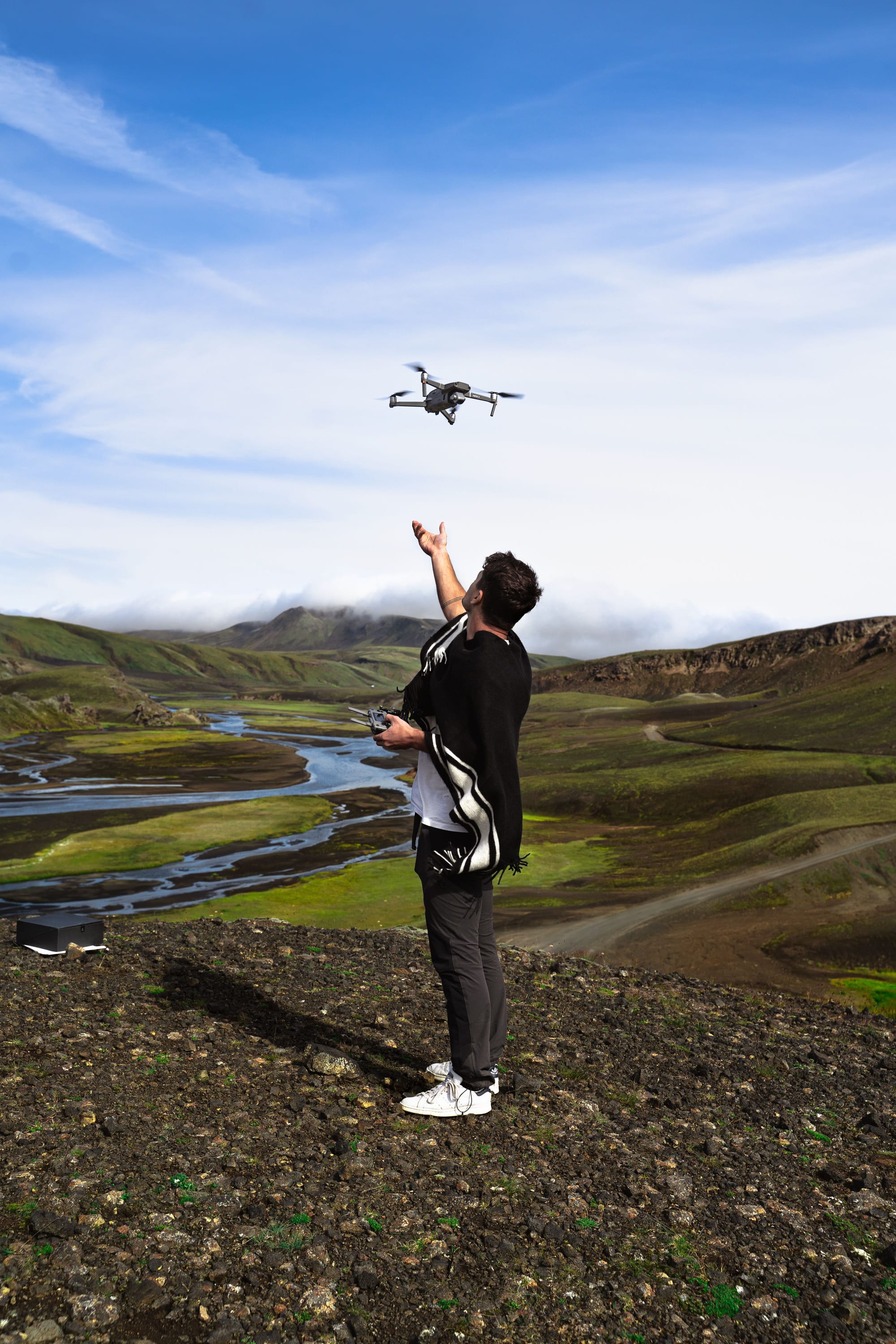
If you are starting a drone photography business, the first thing to accept is that most of the work is not flying. That was the central message from a recent Commercial UAV News recap of a webinar featuring veteran drone photographers Vic Moss of Moss Photography and Barry Schwartz of Barry Schwartz Photography.
The webinar was promoted as a practical look at turning drone photography into a career. The useful takeaway was blunt: a drone photography career is a business first and a flight skill second.
For every hour spent shooting, operators should expect significant time in post-processing, client communication, administration, pricing, equipment maintenance, insurance paperwork and regulatory compliance. The aircraft is the tool. The deliverable is the business.
Pricing Is Local, Not Formulaic
One of the hardest questions for a new service business is how to price the work. A universal rate card rarely survives contact with the local market.
Schwartz's point, as summarized by Commercial UAV News, is that pricing depends on where you are as a photographer. An operator with decades of image work, a published portfolio and repeat clients is not selling the same thing as a newly certificated pilot with a first aircraft. The market will separate those offers, but new operators still need a frame of reference.
The practical move is to talk with other pilots and photographers in the same region and vertical. Real estate marketing, construction documentation, roof inspection and agricultural media do not carry the same pricing logic. The deliverable, usage rights, turnaround time and reliability expectations all matter.
Style Versus Rut
Moss made a useful distinction between having a style and being stuck in a rut. A recognizable visual voice can help a photographer stand out. Repeating the same composition or deliverable format on every job can also keep the operator from adapting to the client.
The better approach is to build a consistent look while staying flexible. A real estate client may want warm exterior and interior imagery. A roofing company may want clean, measurable documentation. A construction client may want repeatable progress capture from the same angles every week. The same business can serve all three, but only if style does not become rigidity.
Backups Are A Business Requirement
Both Moss and Schwartz described carrying backup gear. That is not a luxury. It is a service-continuity requirement.
A camera body failure during a shoot can cost a client, a referral and the day's revenue. A drone failure can stop the job entirely. A backup aircraft in the vehicle gives the operator a path to finish the work, then handle the maintenance issue after the deliverable is protected.
Commercial clients do not care very much about why the shoot failed. They care whether the images, maps or inspection documentation arrive as promised. Reliability is part of the product.
Regulatory Currency Still Matters
Part 107 compliance is table stakes for U.S. operators. The FAA's commercial drone pilot guidance is only the starting point. Operators also need to understand airspace approvals, night operations, operations over people and site-specific restrictions before they sell a shoot.
In Canada, the same logic applies through Transport Canada's RPAS framework. Aerosyne recently covered the proposed Canadian Remote ID shift in our NPA 2026-005 planning article. A photography business that books work near controlled airspace or sensitive infrastructure needs to know which regulatory changes affect the job before the client signs.
The Practical Takeaway
The drone photography market can support real businesses, but it does not reward someone who simply owns a camera drone. Sustainable operators price the full workflow, carry backup equipment, build a recognizable but flexible style, and stay current on the rules that can make or break a shoot. In practice, you own a business that flies drones, not the other way around.

Related reading
Continue the thread.
Related posts are pulled from the same primary topic as the current article.

What Operator Feedback Should Change Before The Next Drone Job
Commercial UAV Expo's upcoming operator keynote is a useful prompt for field teams: capture friction, assign a fix, and show that the next job ran better.

What Guyana's Drone Service Boom Gets Right About Field Operations
A Guyana drone-services case study shows why repeatable workflows, specialist skills, and local capacity matter more than adding another aircraft.
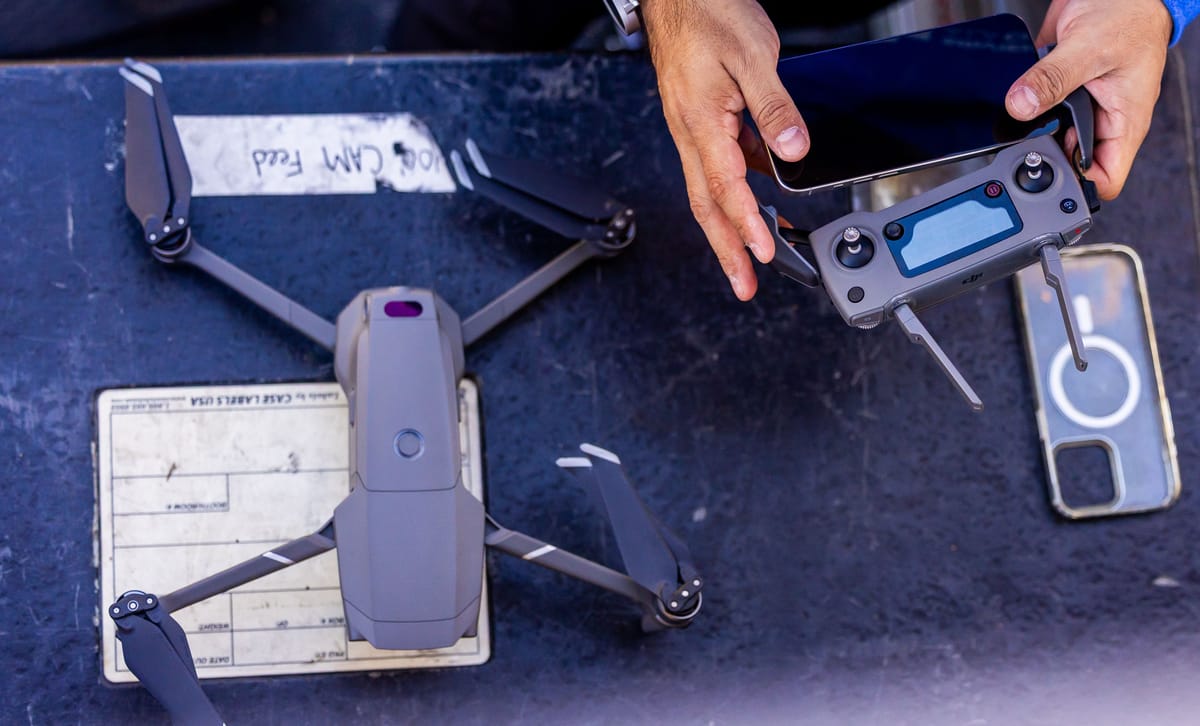
A Practical Fleet Operations Playbook For Commercial Drone Teams
A commercial drone fleet needs more than extra airframes. Build clear aircraft records, pilot currency checks, data custody and job handoffs before the work becomes harder to control.