
The Rare Earth Magnet Bill That Will Hit Drone Operators In The Pocket
Congress is putting tax credits behind U.S. rare earth magnet production. For commercial drone teams, the practical question is what happens to motor cost, lead time and replacement parts as the supply chain is rebuilt.
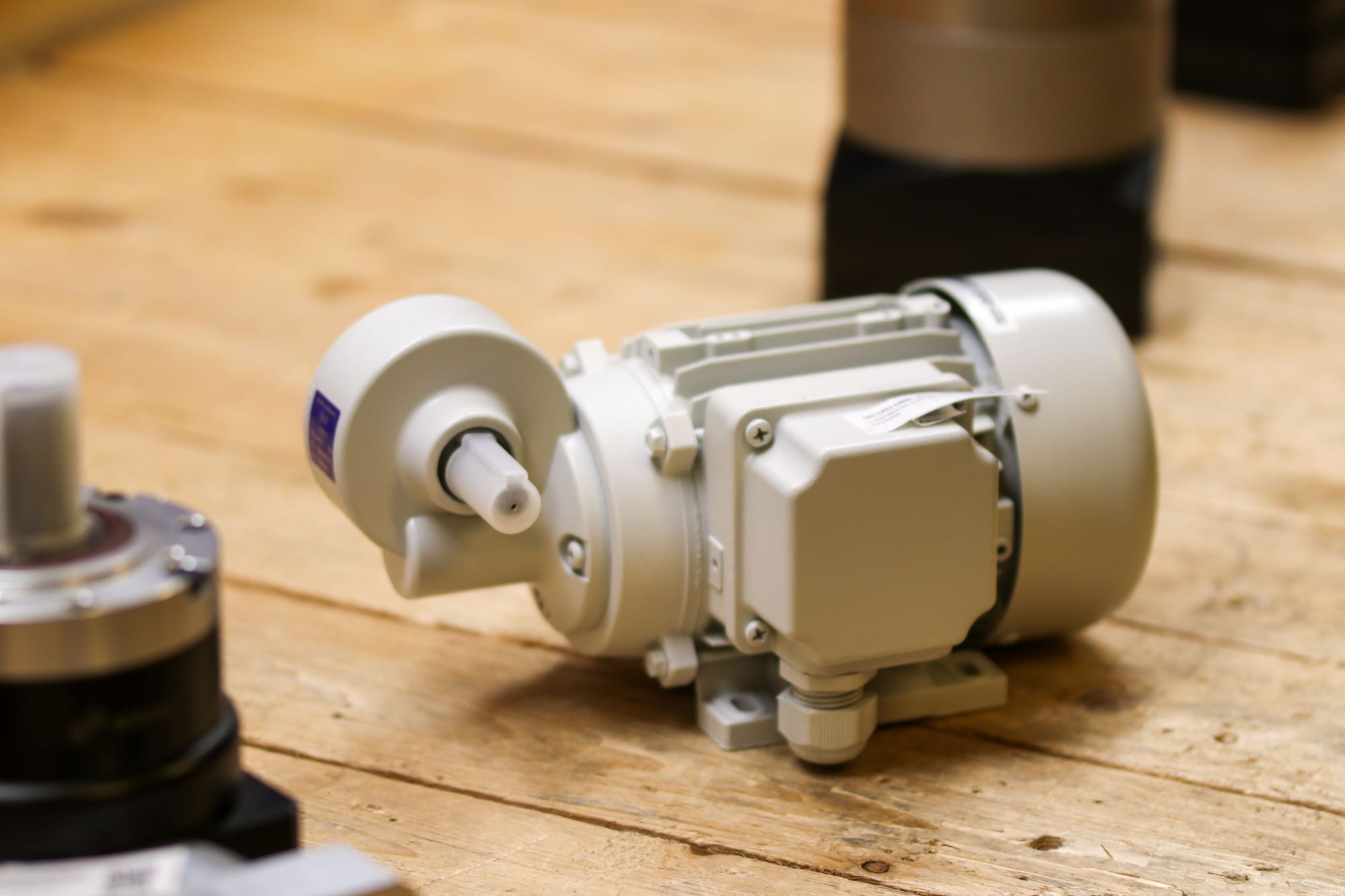
The rare earth magnet story has moved from procurement footnote to drone policy issue. On June 9, 2026, House Select Committee on China Chairman John Moolenaar and Ranking Member Ro Khanna introduced the Magnets Value Chain Support Act of 2026, a bipartisan bill designed to support U.S. rare earth permanent magnet production from oxide processing through magnet manufacturing and into motors.
The legislation is not a drone bill by name. It applies across electric vehicles, defense systems, robotics, industrial equipment and energy hardware. But DroneLife framed the drone-sector relevance clearly: permanent magnets are a quiet dependency inside the brushless motors, gimbals, servos and generators that modern unmanned aircraft use every day.
For commercial operators, the near-term story is not geopolitics as theater. It is motor cost, lead time, replacement inventory and whether the parts that keep aircraft flying become easier or harder to source over the next few product cycles.
Why This Bill Is Different From The FCC And NDAA Work
The FCC's Covered List updates and the NDAA push for trusted airframes have been the headline supply-chain stories for U.S. drone buyers. Those policies are about what can be purchased, connected or trusted in sensitive environments. Aerosyne covered that policy direction in our look at the American drone dominance agenda.
The magnet bill uses a different lever. It does not ban a specific airframe. It does not tell operators what aircraft to buy. Instead, it creates production tax credits for domestic magnet supply-chain activity and a purchase credit for motor manufacturers buying qualifying U.S.-produced permanent magnets. The bill also bars credits for material tied to prohibited foreign entities.
That distinction matters. The bill is aimed at the layer below the aircraft brand: rare earth oxide processing, magnet metal production, permanent magnet manufacturing and the motor makers that use those magnets. If the policy works, the effect reaches operators through future motor pricing, availability and vendor qualification language, not through a direct Part 107 rule change.
The Dependency Inside The Motor
Most commercial drone teams do not buy magnets. They buy motors, gimbals, payload servos and replacement assemblies. Those parts still depend heavily on high-performance permanent magnets, especially neodymium-iron-boron magnets used in electric propulsion and precision motion systems.
The Select Committee says China produces more than 90% of the world's rare earth permanent magnets. It also says China restricted exports of dysprosium and terbium in 2025, heavy rare earths used in high-performance magnets. That is the supply-chain risk the bill is trying to reduce.
For an operator, the practical exposure is straightforward. If you fly inspection-class multirotors, mapping aircraft or larger industrial platforms, you already track the cost of replacement motors, gimbal assemblies and speed controllers. The materials side of that cost has usually been invisible. It should not stay invisible.
What To Watch In Your Parts Inventory
The first signal is lead time. If high-torque motors, gimbal assemblies or specialized payload actuators begin taking longer to arrive, magnet supply may be one of the upstream reasons.
The second signal is pricing on mid-power brushless motors, especially the class used in inspection, mapping and public-safety multirotors. Motor pricing will not move only because of magnets, but magnet sourcing can become one of the variables.
The third signal is vendor language. When suppliers start making domestic-content claims around motors, magnets or propulsion systems, it usually means a procurement requirement has already appeared upstream. That is when operators should ask what actually changed in the bill of materials.
Who Is Building Domestic Capacity
The domestic ecosystem is still small compared with China's capacity, but it is no longer theoretical. DroneLife points to MP Materials, eVAC Magnetics, USA Rare Earth, Noveon Magnetics, Niron Magnetics and Vulcan Elements as companies working to establish U.S. permanent magnet and related material capacity.
The House release also lists support from companies and industry groups across the magnet, electrical manufacturing and critical-minerals ecosystem. That does not mean the United States can quickly replace Chinese production. It does mean the market is starting to build around a policy signal with money behind it.
For operators, the useful question is not which magnet company wins. It is which magnet source your airframe or motor vendor plans to use over the next two to three product cycles. If your fleet depends on a single aircraft ecosystem, ask the vendor whether its motor supplier has a U.S. or allied magnet source on the roadmap.
What This Means For The Operating Model
The bill does not change how you fly this season. It does not change airspace, Remote ID, Part 107 or the status of any specific aircraft. What it does change is the confidence level around a part of the operating-cost structure that many teams treated as fixed.
For transmission-line inspection, substation surveys, pipeline right-of-way patrols and other high-utilization work, the prudent move is to start tracking motor SKU-level sourcing the way you already track battery vendor, controller firmware and sensor calibration. That is a small maintenance-log change, but it creates useful evidence when clients begin asking about domestic content or allied supply chains.
For lighter commercial work, the immediate effect is smaller. Short-duration inspections and small-site mapping usually do not burn through motors quickly enough for rare earth pricing to dominate the budget. The story still matters because this is one of the first pieces of legislation to treat the inside of a drone as a strategic industrial supply chain.
The Practical Takeaway
A tax credit bill does not make a supply chain by itself. It can pull investment forward and give manufacturers a reason to document sourcing more carefully. For operators, the response is simple: document motor SKUs and vendor commitments now, ask your airframe vendor about U.S. or allied magnet sourcing, and revisit the answer every six months. That is enough to stay ahead of a policy story that will keep moving through the rest of 2026.

Related reading
Continue the thread.
Related posts are pulled from the same primary topic as the current article.

PVD Acceptance Letters: What They Confirm and What They Do Not Mean
Transport Canada's first pre-validated declaration acceptance letters let applicants move into verification activities. They do not mean a product already meets Standard 922, a distinction that should shape how commercial RPAS teams plan evidence and prepare advanced or Level 1 Complex operations.

The Emergency Drill Your Drone Team Should Run Before the Next Job
Emergency procedures only help when a crew can use them under pressure. A short, repeatable drill gives commercial drone teams a practical way to rehearse communications, decision authority, and recovery before the next job.

Part 107 Recurrent Training: What Actually Keeps A Remote Pilot Current
A Part 107 certificate does not show an expiration date, but pilots still need current aeronautical knowledge. The FAA requirement is online recurrent training every 24 calendar months.