

drone industry
The Flight Plan Needs A Workload Plan
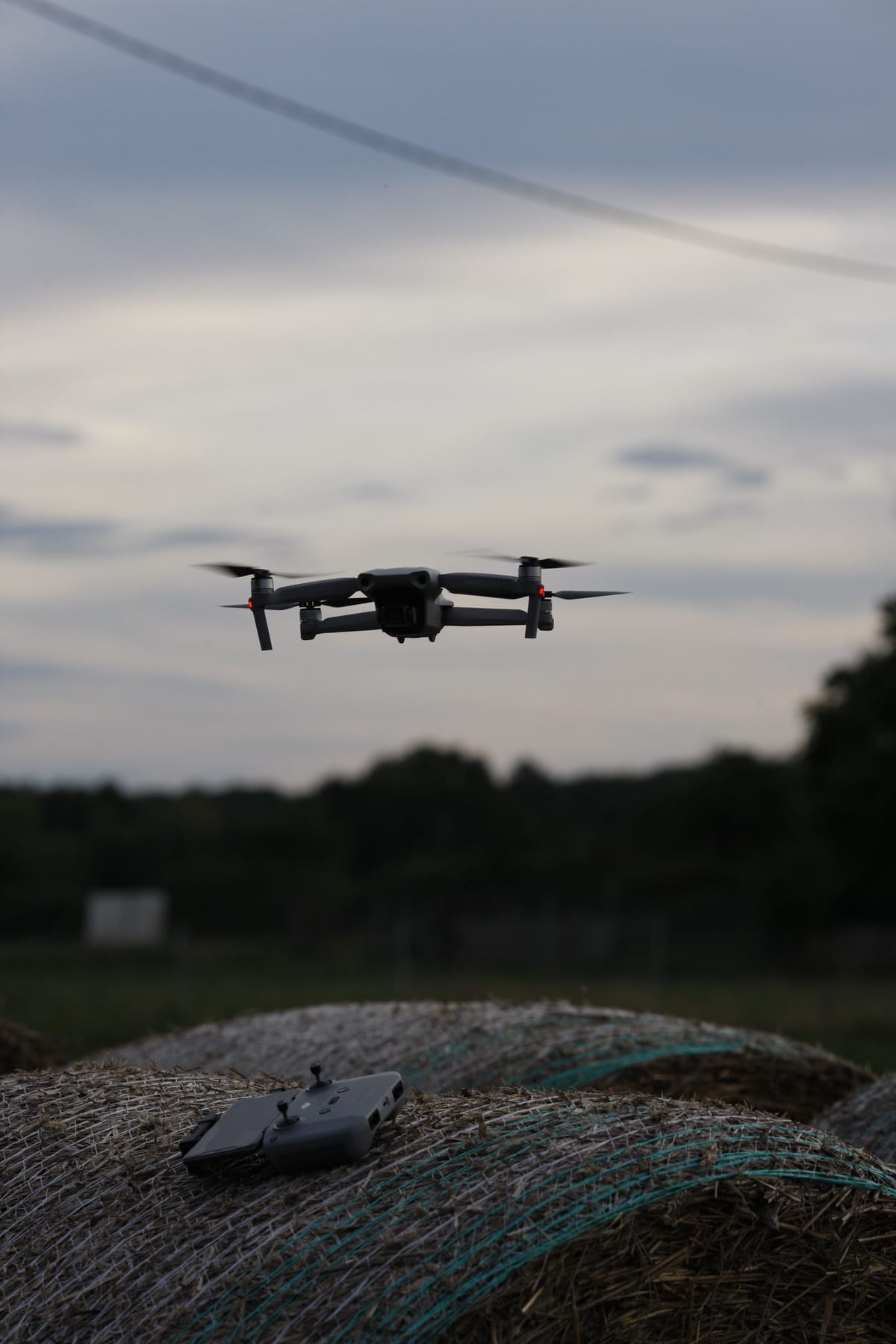
Human factors matter on ordinary commercial drone jobs. Crews need roles, callouts, stop triggers and handoffs before one pilot is asked to watch everything at once.
Archive
Page 8 of 15 from the publication archive.
Human factors matter on ordinary commercial drone jobs. Crews need roles, callouts, stop triggers and handoffs before one pilot is asked to watch everything at once.

Airbus and Voyageur's first Canadian U030 Flexrotor order is a useful signal for inspection teams. Longer endurance only helps when supervision, recovery and data handoff are planned together.
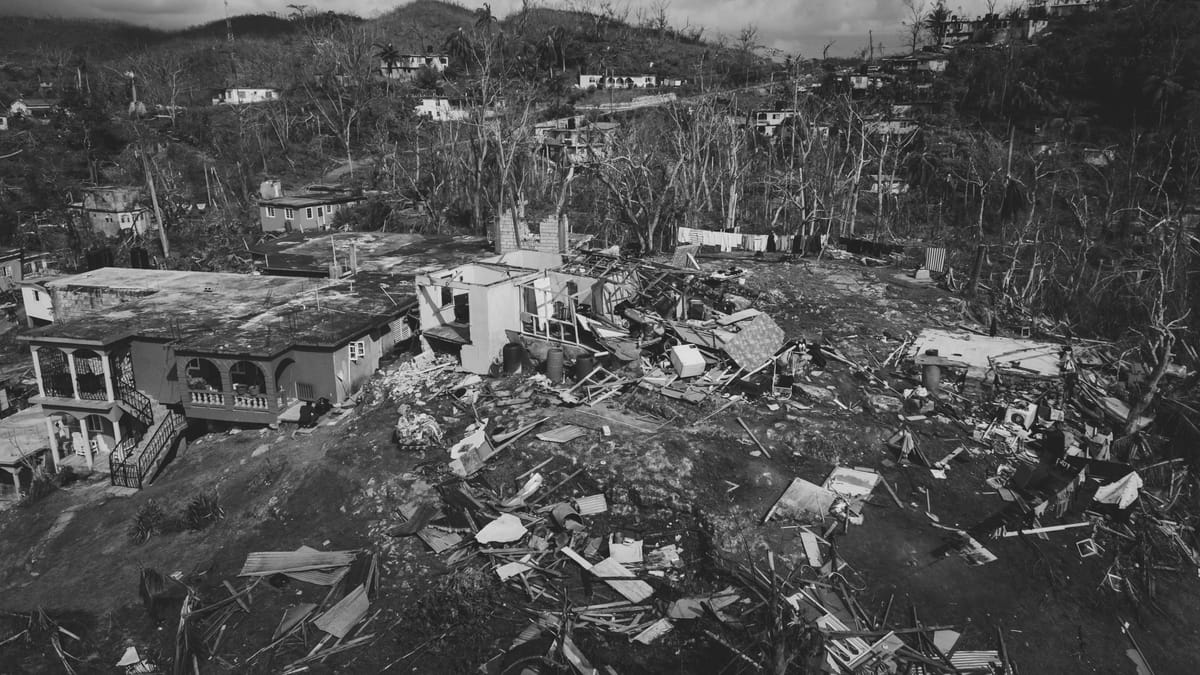
Jamaica's Hurricane Melissa response shows why emergency drone teams need a decision queue, clear airspace coordination, disciplined data handoffs and local leadership before the next storm.

FAA and Transport Canada signals point to a larger commercial drone base, but the hard part is shifting from interest to repeatable operations, approvals and operator discipline.
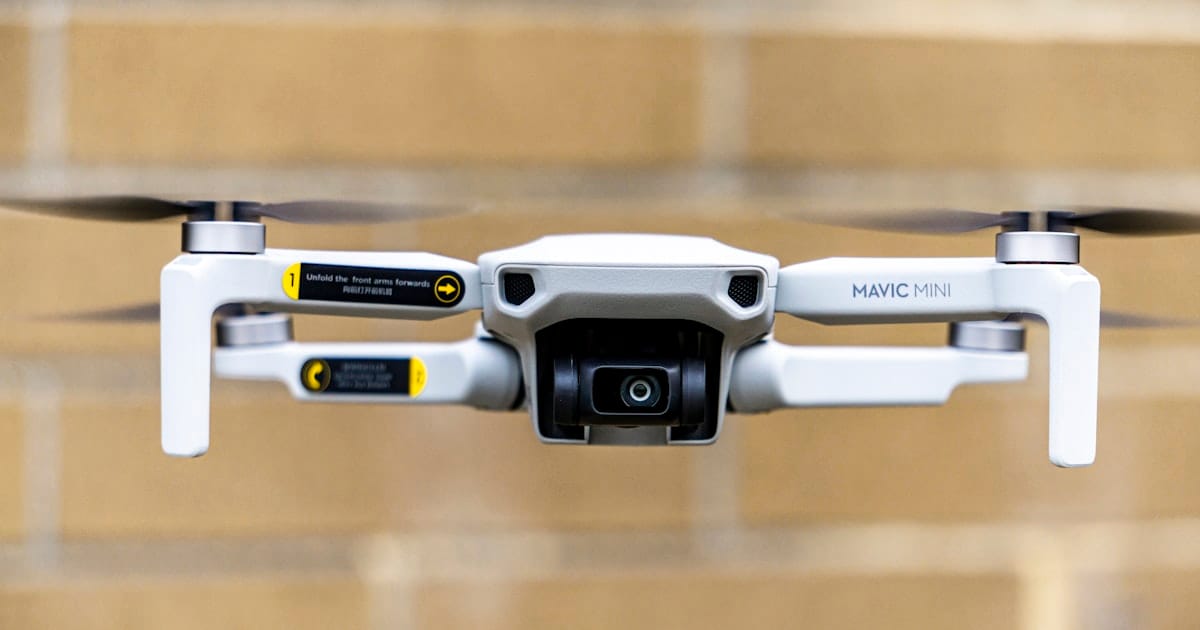
Transport Canada's current guidance draws a sharper line between the Canadian pilot certificate requirement and the situations where foreign pilots still need an SFOC-RPAS.
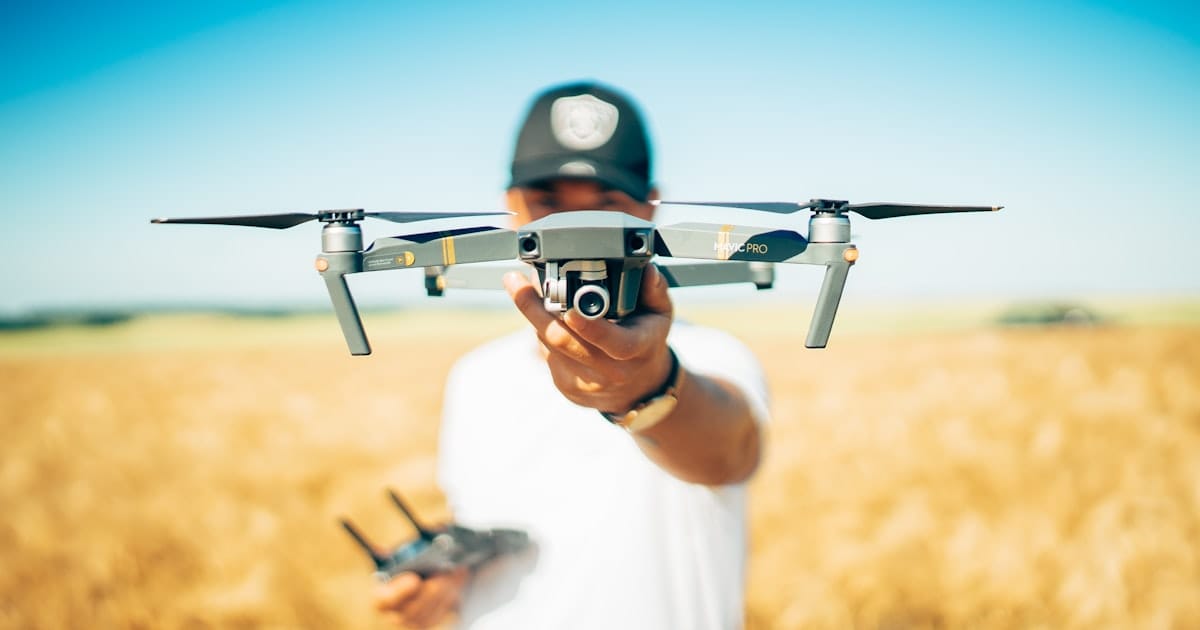
A Part 107 certificate does not show an expiration date, but pilots still need current aeronautical knowledge. The FAA requirement is online recurrent training every 24 calendar months.
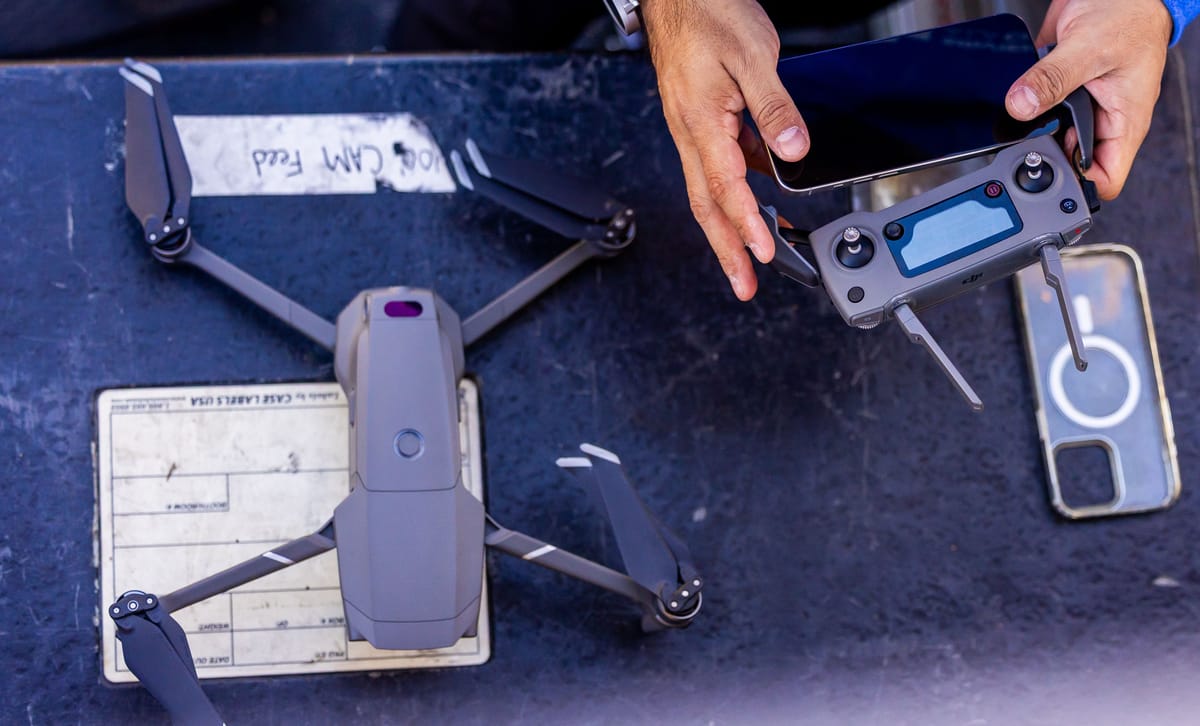
A commercial drone fleet needs more than extra airframes. Build clear aircraft records, pilot currency checks, data custody and job handoffs before the work becomes harder to control.
Transport Canada's July Drone Zone update adds six information sessions for NPA 2026-005. Operators should use the sessions to sharpen written feedback before September 9.

Drone Delivery Canada's Care by Air approval is not new, but it remains one of Canada's clearest examples of how Transport Canada treats BVLOS cargo flights carrying hazardous payloads.