
What Operator Feedback Should Change Before The Next Drone Job
Commercial UAV Expo's upcoming operator keynote is a useful prompt for field teams: capture friction, assign a fix, and show that the next job ran better.

The people who know whether a drone process works are usually the people who had to recover a delayed flight plan in the rain, explain a missing photo set, or wait for a site escort.
That is the premise behind Commercial UAV Expo's September 1 opening keynote, "The View From the Field." The session will share survey findings from pilots, fleet managers, and operators on topics including regulatory hurdles, hardware procurement, workforce development, and day-to-day operational friction. For a commercial team, the useful step is not to wait for the conference. It is to build the same feedback discipline into every important job.
A pilot mentions that access took forty minutes longer than planned. A processor finds an incomplete job folder. A project manager hears that the client changed the deliverable after flight planning. The team agrees the job was frustrating, then moves to the next assignment. That is how a single bad day becomes repeat loss: delayed mobilization, reflights, overtime, inconsistent delivery, and crews who learn that speaking up changes nothing.
Start with field friction, not opinions
"How did the mission go?" is too broad to produce a useful correction. Ask where the work departed from the plan, what that departure cost, and what should be different before a similar job is scheduled again.
Sort answers into four categories. Planning friction covers late scopes, unclear acceptance criteria, stale airspace checks, and missing contacts. Field friction covers weather holds, launch-area changes, equipment issues, unbriefed hazards, and crew-role confusion. Data friction covers missing files, unclear coordinate systems, slow uploads, and unclear review ownership. Commercial friction covers changed scope, reporting delays, or a reflight discussion with no decision owner.
The categories are not extra forms. They make the evidence specific enough to fix. "Site access was bad" is a complaint. "The gate contact in the job brief was outdated, the crew waited thirty-eight minutes, and the battery reserve no longer supported the planned second pass" identifies a process failure, an operational consequence, and a likely correction.
Treat the job plan as a testable promise
Every mission depends on assumptions: the site will be accessible, the client will accept the stated output, the crew will have the required equipment, the weather and airspace will support the work, and the data will reach the right person on time. Write the important assumptions into the job plan, then test them in the closeout.
For a construction progress flight, the plan may assume the superintendent will identify restricted areas, stockpiles will be visible, and the report will use the same photo locations as the prior visit. If a new excavation blocks the launch area, that is a failed planning assumption. The next job package should name an alternate launch area and require confirmation before the crew mobilizes.
For a utility inspection, a locked gate or changed work zone should become a verified contact and route-status check before dispatch, not a story told on the drive home. A good job plan is more than a checklist. It is a list of promises the operation is prepared to test.
Use a five-minute closeout while details are fresh
Before equipment is packed away, ask the remote pilot, field support, and project owner five questions: What changed from the plan? Did it affect safety, legality, schedule, data quality, or scope? What evidence should be retained? What correction belongs in the next similar job package? Who owns that correction, and when will it be checked?
Keep the answers with the job record, not in a private chat. A closeout is not a blame exercise. It is where the team preserves the conditions needed to improve the system. "Observer did not receive the revised flight boundary" may lead to a single timestamped briefing file and an acknowledgement rule. That is a small change that removes a predictable ambiguity from future work.
Do not turn the process into a long meeting for a tired crew. The closeout has one job: preserve the fact before memory turns it into a vague impression.
Rank fixes by recurrence and consequence
Not every issue deserves the same response. Use two questions: how likely is this to happen again, and what is the consequence if it does? A recurring file-naming error may be low consequence on one job but costly across a year of inspections. A weather hold may be uncommon but high consequence near infrastructure, people, or changing conditions.
Use three action levels. Fix now means correcting the current record, equipment state, client communication, or safety documentation before closeout. Change next time means updating the template, brief, contact list, or folder structure before the next comparable job. Review monthly means tracking the issue before investing in a training change, purchase, procedure, or staffing decision.
A fleet record should not rely on pilots remembering a recurring battery issue. The defect, inspection outcome, and aircraft availability must be visible to the next person scheduling work. That discipline sits at the heart of Aerosyne's practical fleet operations playbook.
Close the loop in the next briefing
A corrective action is not complete when someone updates a document. It is complete when the people doing the next job know what changed and can use it. Put one short line in the pre-flight brief for recent changes that matter to that mission, such as a revised client handoff rule or a confirmed alternate access point.
Then ask the crew whether the fix worked. A checklist field nobody can complete in the field is not a solution. A contact-verification step that still produces bad information needs a different owner or source. Teams trust the process when feedback produces a visible change and that change remains open to challenge.
Measure whether the loop is working
A feedback process that produces only notes is not working. For the next thirty days, track the percentage of jobs with a completed closeout, repeat issues from a defined list, time from issue identification to template update, and rework hours caused by preventable planning, data, or handoff failures.
Review those results with the people who fly, process, schedule, and deliver. When a pilot, processor, and project manager describe different symptoms of the same failure, the operation has found a high-value target for improvement.
The planned keynote is useful because it treats operator experience as evidence. Commercial teams can act on that idea now: state the assumptions, capture the departure from plan, assign one corrective action, brief the change next time, and check whether it worked. The aircraft may be the visible part of the work. The learning system is what keeps the same problem from flying again.
Source: Commercial UAV Expo keynote programme, accessed July 29, 2026.

Related reading
Continue the thread.
Related posts are pulled from the same primary topic as the current article.

What Guyana's Drone Service Boom Gets Right About Field Operations
A Guyana drone-services case study shows why repeatable workflows, specialist skills, and local capacity matter more than adding another aircraft.
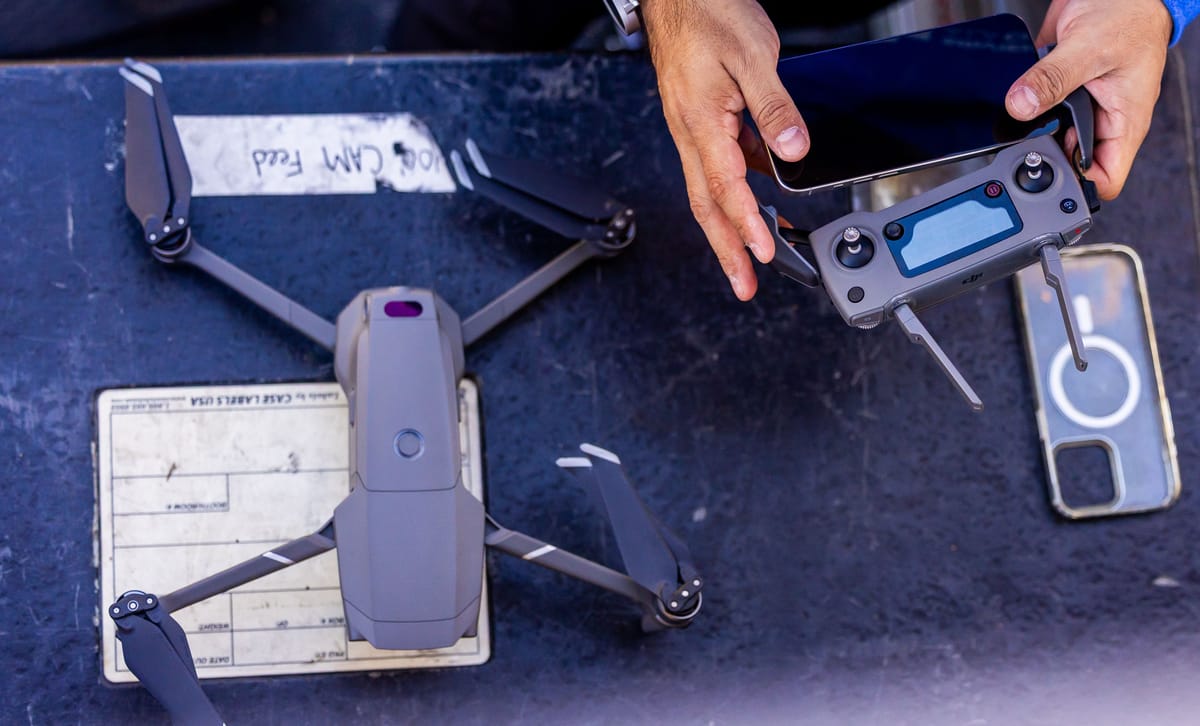
A Practical Fleet Operations Playbook For Commercial Drone Teams
A commercial drone fleet needs more than extra airframes. Build clear aircraft records, pilot currency checks, data custody and job handoffs before the work becomes harder to control.

You Own A Business That Flies Drones: What Building A Drone Photography Career Actually Takes
A recent Commercial UAV News webinar made the point plainly: a drone photography career is a business first and a flight skill second. Pricing, post-processing, backups and compliance decide whether the work lasts.