
Skydio X10 Adoption Across Public Safety Fleets: What The Pace Of Growth Shows
Skydio X10 is appearing in DFR and public-safety programs, but the useful lesson is procurement pattern, not an unverifiable agency count.
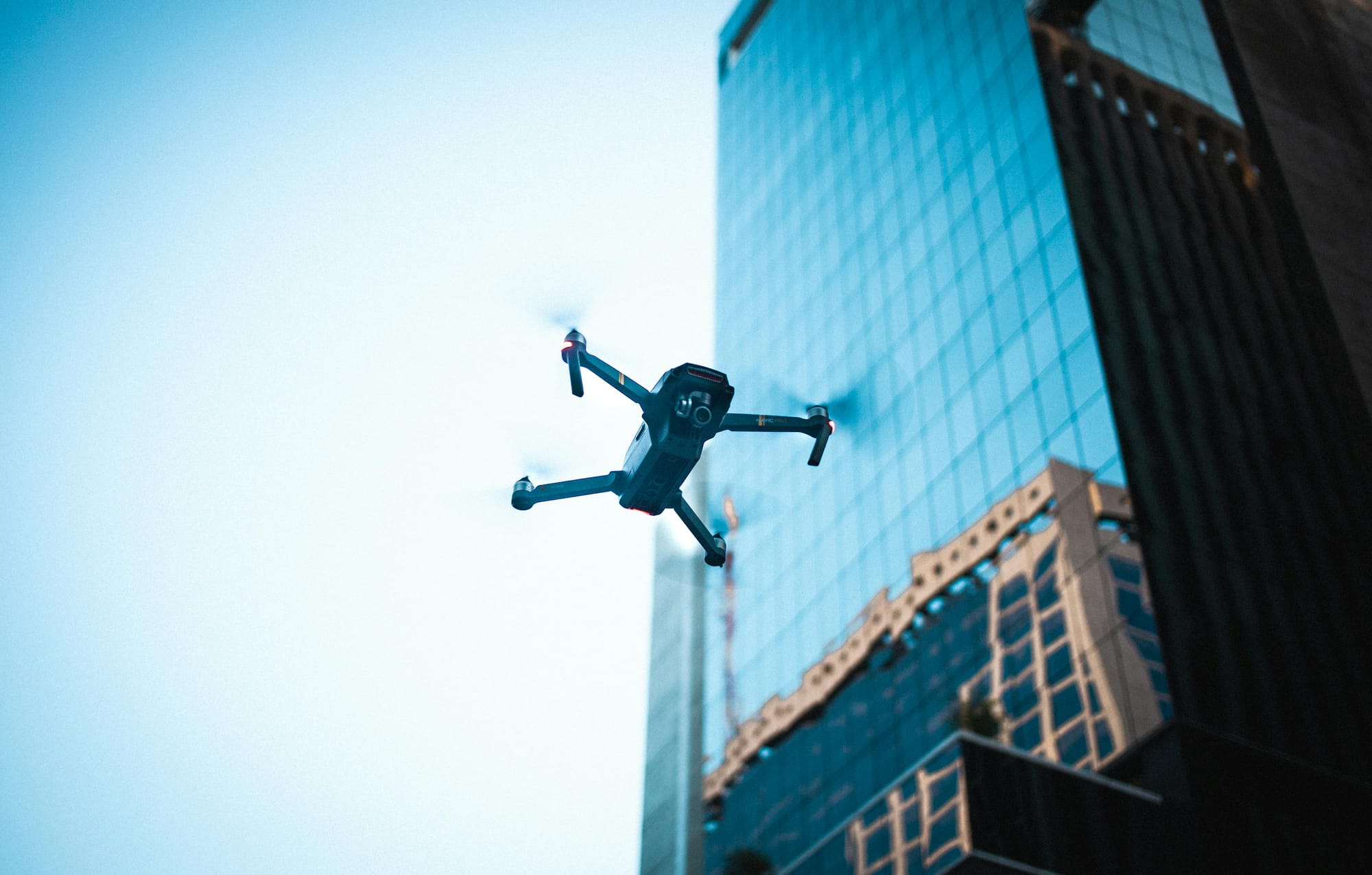
The draft said Skydio X10 is standard kit across hundreds of public-safety agencies. We could not verify that exact count from a primary public source, so this article focuses on what can be verified: the X10 is appearing in DFR and public-safety procurement patterns that are worth watching.
Skydio's DFR solution presents X10 and related systems as part of a dock-based or patrol-led first responder workflow. Washington County, Oregon publicly described a 2026 DFR trial using Skydio X10 drones, licensed pilots and a dedicated control station.
The Procurement Pattern
The shift is from buying a drone as a standalone camera to buying a response workflow. Agencies are looking at aircraft, docks, remote operations, training, software, livestreaming, evidence handling, FAA compliance and support as one package.
Skydio's Miami Beach case study is an early example of how agencies used the X10 for traffic monitoring, accident reconstruction and overwatch for large-scale events. Those are the practical use cases that move drones from a specialty team into daily operations.
What Public Safety Buyers Should Evaluate
- Mission fit. DFR, search and rescue, accident reconstruction and tactical overwatch do not all need the same kit.
- Training burden. Autonomy helps, but agencies still need aviation-grade procedures and recurrent training.
- Data governance. Flight logs, video retention, privacy policy and auditability should be part of procurement.
- Lifecycle cost. Batteries, service plans, docks, software and replacement aircraft matter more than the unit price alone.
The Practical Takeaway
Skydio X10 adoption shows that public-safety drone buying is becoming more workflow-driven. The agencies that get the most value will be the ones that buy the operating model, not just the aircraft.

Related reading
Continue the thread.
Related posts are pulled from the same primary topic as the current article.
Detected, Not Stopped: What a Prison Drone Drop Says About Perimeter Programs
A reported drone delivery into a Quebec prison shows why a detection rate is not a stop rate. Perimeter programs need a measured chain from alert to outcome.

An airport emergency exercise now starts with a paperwork request
Drones have become a normal part of airport emergency exercises. The FAA has now spelled out who requests airspace access, and how far ahead of the drill it has to happen.

Connecticut Wired a Drone Purchasing Rule Into Public Contracts
The October 1 stage of Connecticut's drone act reaches contractors and any purchase made with state or federal money, while the state's 250 foot critical infrastructure rule has been in force for a year.