
Governments Are Building Drone As First Responder Networks, Uruguay Shows The Pattern
Uruguay's Montevideo drone response program links ShotSpotter alerts to autonomous drone dispatch. For commercial operators, the lesson is integration, data control and staffing, not just aircraft performance.
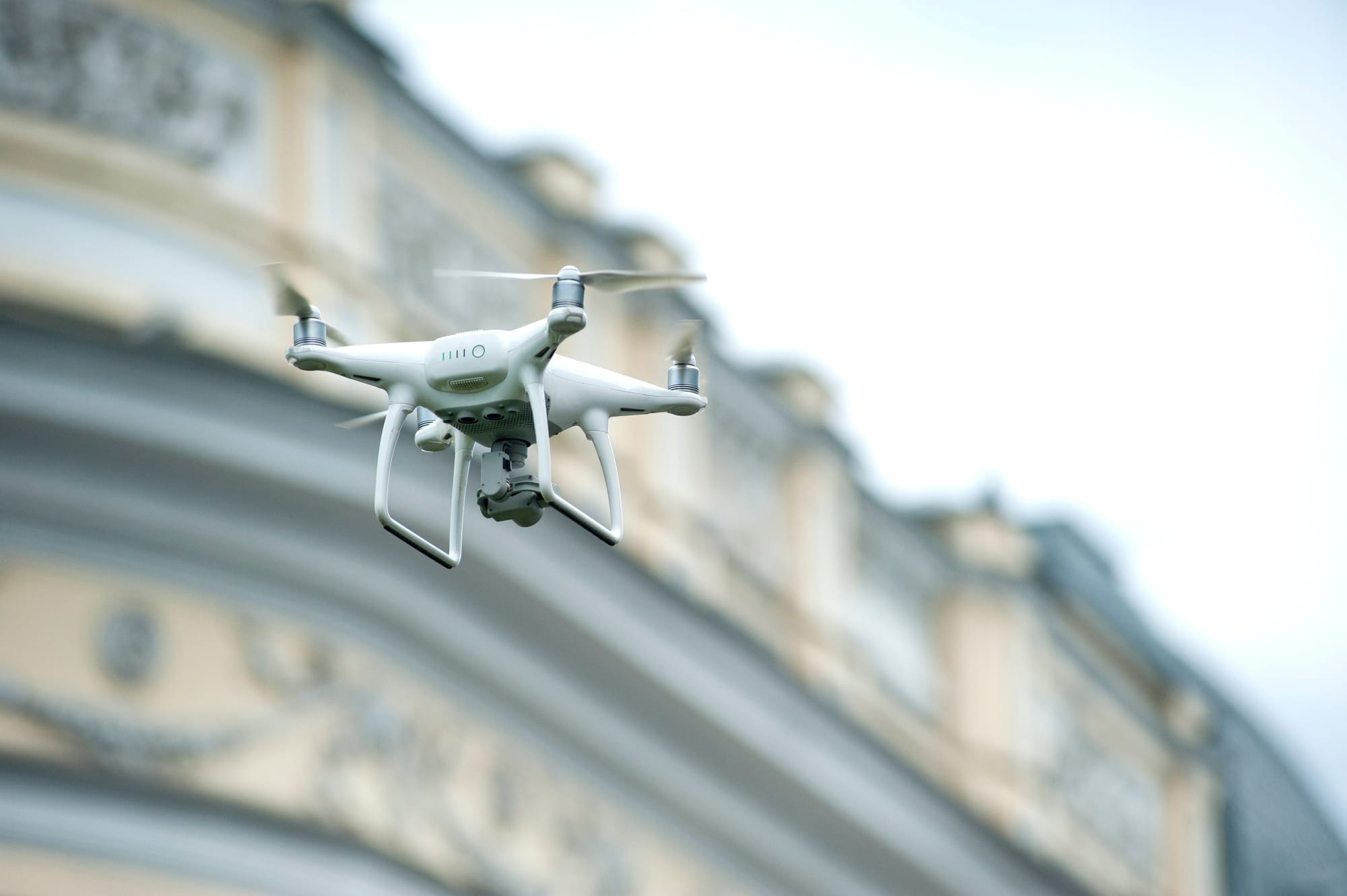
Uruguay's Ministry of the Interior has launched an autonomous drone response program in Montevideo that connects gunshot detection alerts to drone dispatch and live aerial video. For commercial drone operators, the useful lesson is not only that a government agency bought drones. It is that public safety customers are starting to buy integrated response systems.
Commercial UAV News reports that the program is built on FlytBase's platform and deployed with Uruguayan technology firm Timerix S.A. DroneLife's report says the Montevideo deployment ties ShotSpotter alerts to automated drone response, with video streaming to a command center within minutes.
The Pattern Is Sensor To Drone To Command Center
Montevideo already had a gunshot detection layer. SoundThinking's ShotSpotter case study says Uruguay's Ministry of Interior deployed ShotSpotter in two areas of Montevideo in late 2023, then expanded coverage in 2024. The drone program adds an aerial response layer to that existing sensor network.
That sequence is the important part: a sensor detects a possible incident, the nearest docked drone is dispatched, and the command center receives a live aerial view before or alongside ground response. In practical terms, the drone is not a standalone tool. It becomes one piece of a larger emergency operations workflow.
Why This Matters For Government Contractors
Public safety drone work is moving beyond a pilot, an aircraft and a radio call. Agencies increasingly want systems that connect with tools they already use: acoustic gunshot detection, computer-aided dispatch, video management, radio workflows and records systems. The operator who can explain that integration is more useful than the operator who only demonstrates a clean flight.
Aerosyne has covered the same direction in U.S. public safety with Drone As First Responder programs that are scaling. Uruguay's deployment is a different geography and legal environment, but the procurement pattern is familiar: docked drones, automated launch, live situational awareness and a command-center operator who can decide what ground teams need to know.
Data Control Is Not A Side Issue
DroneLife and Commercial UAV News both note that FlytBase describes deployment options that include on-premise, private cloud and sovereign cloud infrastructure. That is not just a technical detail. Public safety video can contain sensitive location, identity and incident information, and government buyers will ask where the data is stored, who controls access and how long records are retained.
For operators bidding government or security work in the United States or Canada, the equivalent requirement is a plain-language data management plan. If video leaves the agency network, the reason needs to be clear. If a vendor cloud stores incident footage, the retention and access rules need to be documented. If the agency requires local or sovereign control, the architecture needs to support that before the proposal is submitted.
The Staffing Model Changes
The docked-drone model also changes staffing. A conventional public safety program often starts with an officer or pilot manually launching a drone near an incident. A drone response network pushes the work toward remote supervision, health monitoring, exception handling and coordination across several aircraft and docks.
That has commercial consequences. A service provider may need fewer field pilots and more people who understand remote operations centers, aircraft readiness, data handoff and regulatory documentation. As BVLOS and docked drone rules mature, staffing models will matter as much as aircraft selection.
The Boundary Condition
The Montevideo deployment should not be copied blindly into every market. Local airspace rules, privacy law, procurement rules, labor agreements and police operating procedures all matter. The program also builds on an existing ShotSpotter deployment, which not every agency has or wants.
What it proves is narrower and more useful: the automated dispatch loop can be operationalized around existing detection infrastructure. That is the threshold commercial drone teams should watch. Once agencies start writing that loop into procurement language, operators will need to respond with integrations, data governance, staffing plans and aircraft readiness, not just flight demos.
The Practical Takeaway
Uruguay's deployment is a public safety signal, not a universal template. The bigger pattern is that governments are linking sensors, drone docks, live video and command centers into one response workflow. Operators who want those contracts should prepare for integration questions, data sovereignty requirements and remote-staffing models before the next RFP lands.

Related reading
Continue the thread.
Related posts are pulled from the same primary topic as the current article.

Detected, Not Stopped: What a Prison Drone Drop Says About Perimeter Programs
A reported drone delivery into a Quebec prison shows why a detection rate is not a stop rate. Perimeter programs need a measured chain from alert to outcome.

An airport emergency exercise now starts with a paperwork request
Drones have become a normal part of airport emergency exercises. The FAA has now spelled out who requests airspace access, and how far ahead of the drill it has to happen.

Connecticut Wired a Drone Purchasing Rule Into Public Contracts
The October 1 stage of Connecticut's drone act reaches contractors and any purchase made with state or federal money, while the state's 250 foot critical infrastructure rule has been in force for a year.