
The DJI Ban and What It Actually Means for US Commercial Drone Operators
DJI filed a Ninth Circuit appeal challenging the FCC's December 2025 de-authorization of Chinese-made drones. The ruling could eliminate $1.5 billion in US drone sales in 2026, and US operators are already feeling the effects.
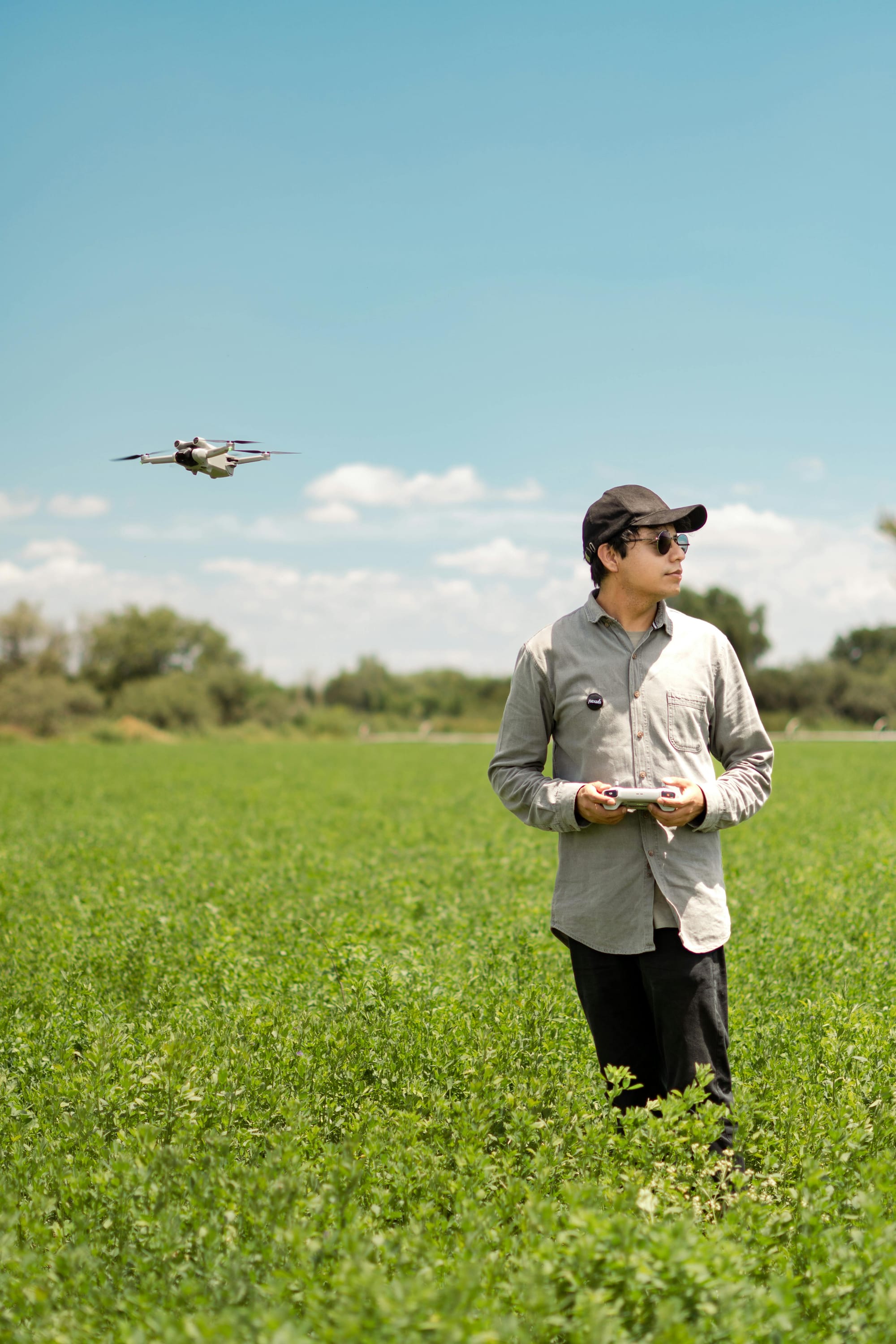
On February 20, 2026, DJI filed a formal appeal with the Ninth Circuit Court of Appeals challenging the FCC's December 2025 ruling that cut off authorization for all new foreign-made drones and critical components, including motors, flight controllers, navigation systems, and batteries. The company claims the action is "procedurally and substantively flawed" and violates the Constitution. What happens next matters directly to every US commercial drone operator still flying DJI hardware.
The Financial Stakes for the US Market
According to DJI's filing, the FCC's action could eliminate $1.5 billion in US drone sales in 2026 alone, $700 million from 14 existing products that were de-authorized, and $860 million from 25 new models that will be blocked from the market. US operators and the companies that serve them are watching the case closely because the supply chain effects are already visible.
In agriculture, the numbers are stark: US spray drone sales surged roughly fourfold in 2025 as DJI imports slowed, but total treated acreage actually fell 3.6% to 16.4 million acres. New spray drone unit sales dropped 59% year-over-year to 3,711 units. The market is contracting even as demand for drone-powered agricultural services remains strong.
The Legal Argument
DJI's challenge rests on three main points. First, the national security assessment cited by the FCC did not specifically analyze DJI's products, a process requirement the company argues was violated. Second, the agency may have skipped required statutory steps under the NDAA for determining what constitutes an unacceptable national security risk. Third, the company is asking the court to prevent the FCC from making decisions "insulated from any judicial review."
DJI is requesting a six-month pause to allow the FCC to act on its reconsideration petition. The Ninth Circuit motion to dismiss is currently pending.
What US Operators Are Doing Now
While the case plays out, the practical effects are filtering through the supply chain. Several US-based manufacturers have moved to fill the gap. Hylio (Texas) is producing agricultural spray drones with a "Made in America" positioning. Exedy Drones (Michigan) is targeting the same market with an auto engineering supply chain advantage. Revolution Drones (North Carolina), founded by farmers, is assembling domestically. Agri Spray Drones (Missouri) has taken a licensing approach, producing Chinese-designed platforms with US assembly and support.
The limitation is that none of these companies are yet at the price-performance ratio DJI established in the market. For operators who depend on specific aircraft types for specific job types, particularly in agriculture, the cost delta is a real operational hit.
What This Means for Commercial Operators
The immediate practical implications are supply pressure and price uncertainty for replacement parts and new acquisitions. But there's a secondary effect: operators who have built workflows around specific DJI platforms, particularly the Mavic 3E/3T or Matrice series for inspection work, face the prospect of migrating to different ecosystems or dealing with the grey market risks of continued use of non-FCC-authorized equipment.
The DJI appeal doesn't change the fact that the December ruling is currently in effect. Operators acquiring new aircraft or replacement components should verify FCC authorization status before purchasing. The list of authorized equipment changes, and the case could take months to resolve.
For operators evaluating their hardware roadmap for the second half of 2026, the safer position is to assume supply chain pressure on DJI equipment will continue, and to evaluate domestic alternatives with the same operational requirements, flight time, payload capacity, sensor options, in mind.

Related reading
Continue the thread.
Related posts are pulled from the same primary topic as the current article.
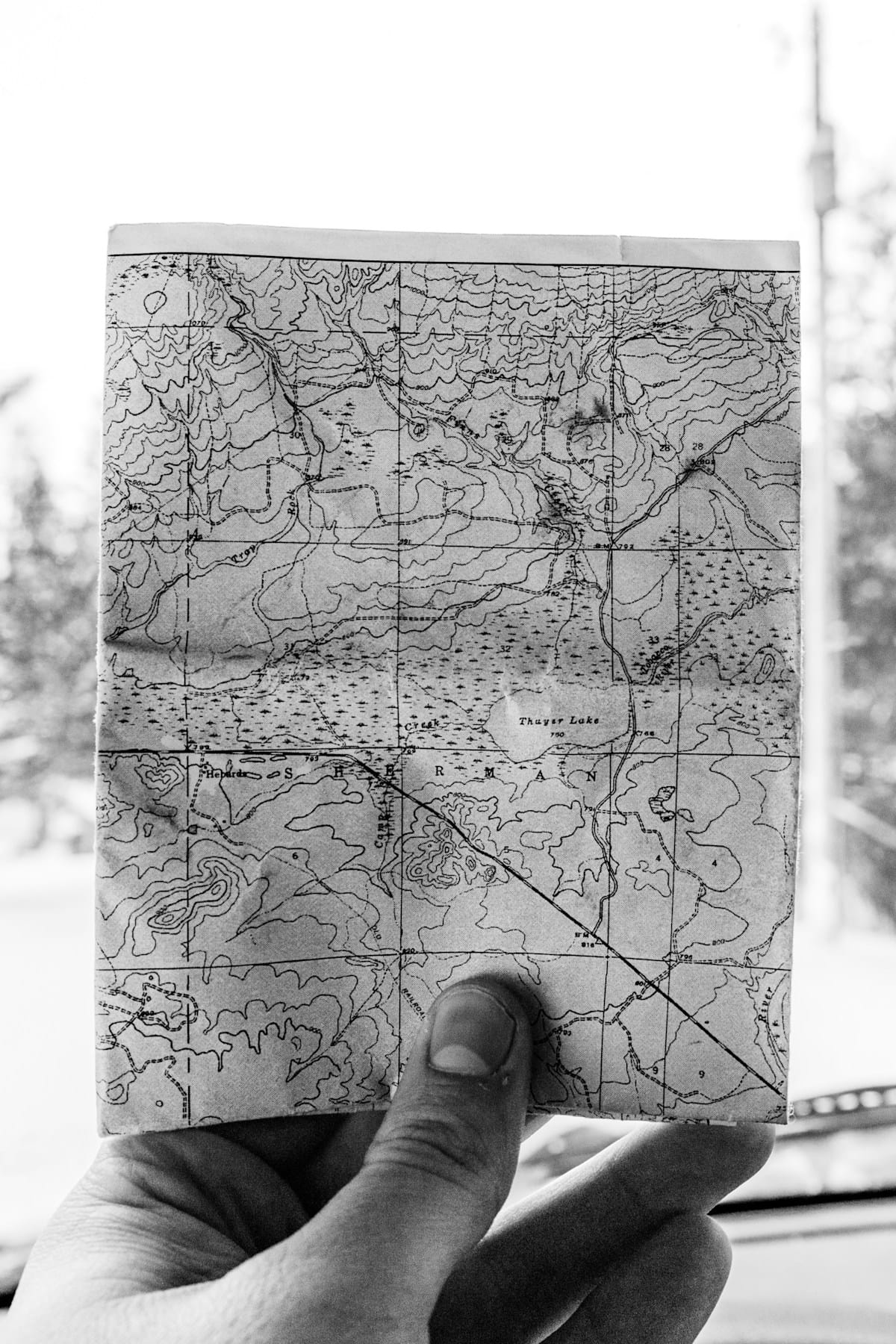
The Part 107 Test Starts Showing Unfamiliar Charts on October 26
From 26 October, the FAA UAS knowledge test can use current chart images outside the testing supplement. Teams should teach chart interpretation, not page recognition.

A Restriction That Arrives in a Day: What the Southern Border Drone TFR Changes for Corridor Work
A temporary flight restriction now covers the full altitude band used by most commercial drone work within one nautical mile north of the U.S.-Mexico border. Here is the workflow corridor teams should check first.

FCC Moves to Open 50 MHz of Low-Band Spectrum for Drones: What It Changes for Field Programs
The FCC has circulated a draft order that would lift a decades-old ban on airborne use of the 800 MHz Cellular band, opening 50 MHz of low-band spectrum to drones. The rule is about connectivity, not flight authority, and that distinction should shape how field programs plan their links.