
San Antonio Drone Delivery Is Live, But The Early Signal Is Constraint, Not Scale
Amazon's Prime Air service is operating in San Antonio, but local reporting points to a narrow service area and real availability constraints. For operators, that is the useful lesson.
Amazon Prime Air is live in San Antonio, and that alone makes the market worth watching. A large US city with residential drone delivery gives operators a better test case than another controlled demo. But the verified public record does not support treating the launch as a thousand-household performance study yet.
Local coverage says Prime Air deliveries operate from facilities near an Amazon fulfillment center, with packages up to five pounds, service during daylight and favorable weather, and a delivery radius of roughly seven to eight miles. That is a meaningful operating footprint, but it is still a constrained one.
The Constraint Is The Story
MySA's March 2026 test found the service area to be narrow in practice and reported availability messages even in areas that appeared eligible. That does not mean the program is failing. It means the hard part of residential drone delivery is not only aircraft performance. It is dispatch density, launch-site placement, weather, customer eligibility, battery cycling, staffing, and neighborhood acceptance all landing in the same operating window.
For commercial operators, this is a useful correction to the usual launch narrative. The key question is not whether a drone can carry a light package. The key question is whether the network can keep enough eligible orders close enough to the launch point, often enough, to make the aircraft utilization work.
What Operators Should Watch
- Service radius. The advertised radius matters less than the number of homes that can actually order on a given day.
- Payload mix. A five-pound limit pushes the model toward pharmacy, convenience and small retail items, not broad parcel replacement.
- Availability. If high demand, weather or staffing regularly closes the window, customers will treat drones as a novelty rather than a dependable channel.
- Community response. Noise, drop-zone placement and privacy concerns will decide how easily the operation expands beyond early adopters.
The Practical Takeaway
San Antonio is important because it moves drone delivery out of a press-release setting and into ordinary residential logistics. The early signal is not scale for its own sake. It is the operational discipline required to make a small service area dependable before anyone can credibly claim citywide transformation.

Related reading
Continue the thread.
Related posts are pulled from the same primary topic as the current article.
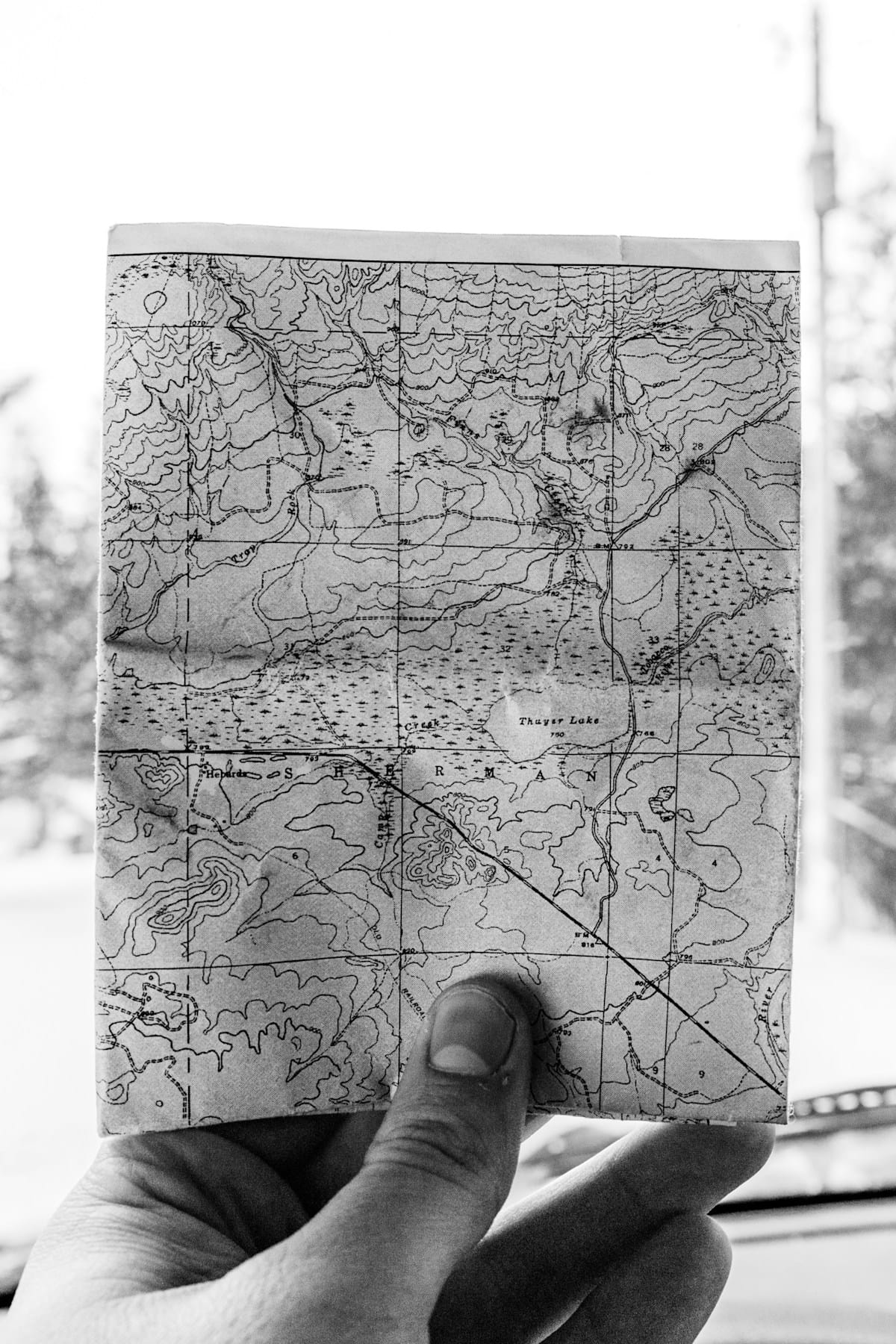
The Part 107 Test Starts Showing Unfamiliar Charts on October 26
From 26 October, the FAA UAS knowledge test can use current chart images outside the testing supplement. Teams should teach chart interpretation, not page recognition.

A Restriction That Arrives in a Day: What the Southern Border Drone TFR Changes for Corridor Work
A temporary flight restriction now covers the full altitude band used by most commercial drone work within one nautical mile north of the U.S.-Mexico border. Here is the workflow corridor teams should check first.

FCC Moves to Open 50 MHz of Low-Band Spectrum for Drones: What It Changes for Field Programs
The FCC has circulated a draft order that would lift a decades-old ban on airborne use of the 800 MHz Cellular band, opening 50 MHz of low-band spectrum to drones. The rule is about connectivity, not flight authority, and that distinction should shape how field programs plan their links.