
FAA's Proposed UAFR Rule: How Critical Infrastructure Operators Can Restrict Drone Flights Over Their Sites
The FAA published a proposed rule on May 6, 2026 that would create a formal process for qualifying fixed-site critical infrastructure facilities to request drone flight restrictions.
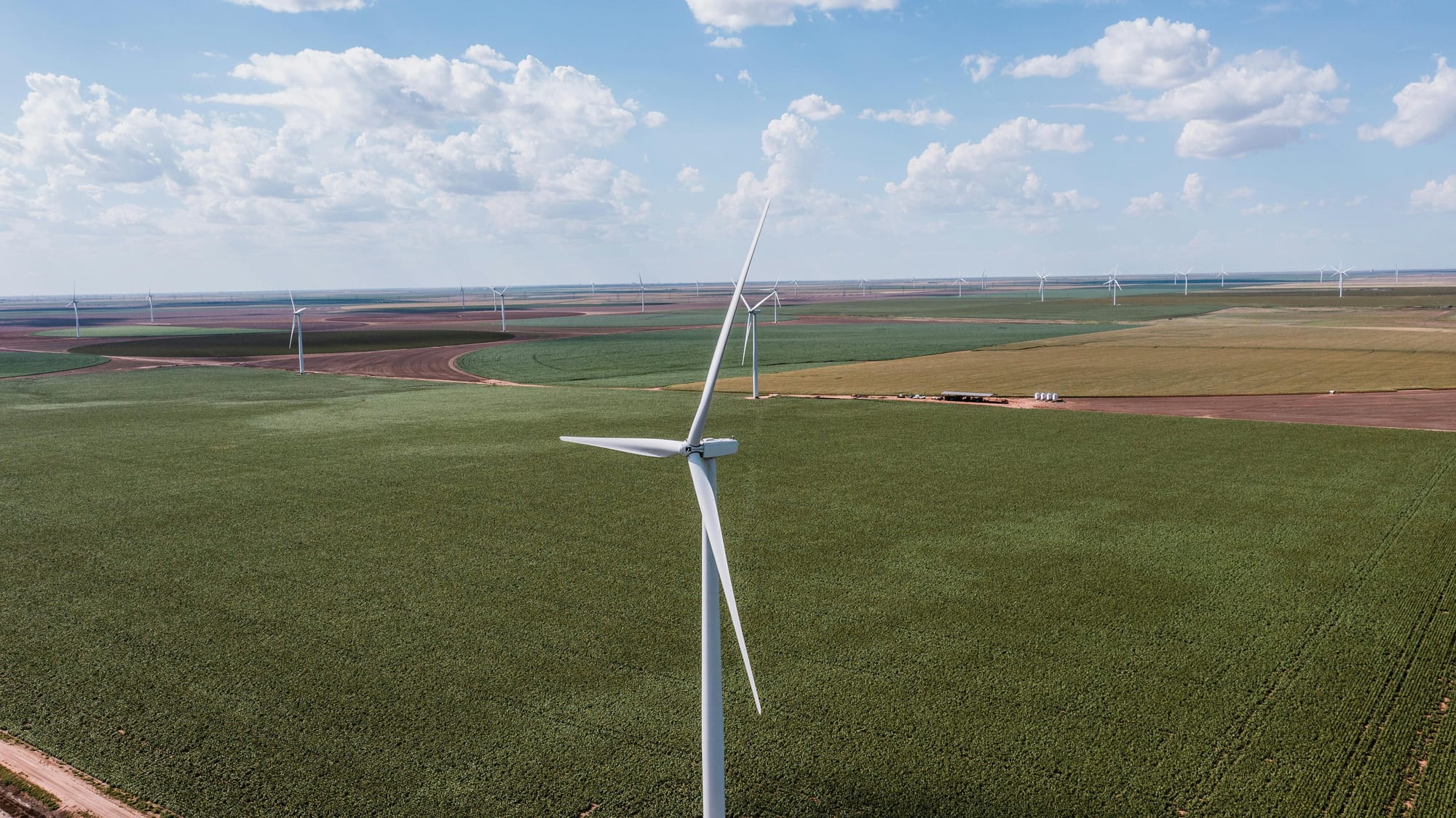
On May 6, 2026, the FAA published a proposed rule that would create a formal process for certain fixed-site facilities to request unmanned aircraft flight restrictions, or UAFRs. The agency describes the proposal as a way to let qualifying critical infrastructure operators petition for drone restrictions when safety, security, national security, or homeland security risks justify them.
For commercial drone operators, the important point is that this is not just a security rule for facility owners. If finalized, it would create new airspace constraints that inspection, mapping, media, agriculture, and emergency-response teams would need to identify before flying near protected sites.
What The Proposal Would Create
The FAA's proposal would add a new Part 74 process for UAFRs. A standard UAFR would restrict unauthorized drone operations within defined lateral boundaries and an altitude ceiling, usually tied closely to the protected site. A special UAFR would be available for higher-risk sites when supported by a federal security or intelligence agency, the Department of Defense, or the Department of Energy.
The FAA's public summary says the rule is meant to balance site security with economic growth and the public interest. The full Federal Register notice gives the operational details, including eligibility, review, renewals, and allowed operations.
Who Could Apply
The proposal is aimed at fixed-site facilities in 16 critical infrastructure sectors. For the drone industry, the most relevant examples include energy, chemical, defense industrial base, communications, transportation systems, dams, water and wastewater, healthcare, and public venues that meet specific thresholds.
The thresholds matter. This is not a general right for any business to wall off airspace. Energy facilities, for example, would need to meet defined scale criteria such as large power generation capacity or high-voltage substation thresholds. The applicant would also need to show that a restriction is necessary and that the site has appropriate protective security measures.
Remote ID Becomes Part Of The Facility Security Baseline
One of the more practical details is the proposed security baseline. Facilities seeking a UAFR would need to show protective security, monitoring, and the ability to receive Remote ID information. That creates a more concrete connection between Remote ID and physical infrastructure security than many operators have seen in day-to-day work.
For facility operators, this means the petition process is not just paperwork. They would need a security program capable of recognizing and responding to unauthorized drone activity. For drone service providers, it means clients may start asking harder questions about aircraft identification, serial numbers, Remote ID status, and advance notice.
What Operators Should Watch
A UAFR would not necessarily block every drone flight. The proposal allows certain operations to access standard UAFR airspace under defined conditions, including advance notification and compliance with Remote ID. That is useful, but it also means operating near these facilities could become more administratively heavy.
Operators should start treating UAFR planning as a likely addition to preflight checks. If the rule is finalized, a clean job file will need more than a client work order and LAANC authorization. It may need UAFR status checks, facility contact records, aircraft identification details, and proof that the operation fits an allowed category.

Related reading
Continue the thread.
Related posts are pulled from the same primary topic as the current article.
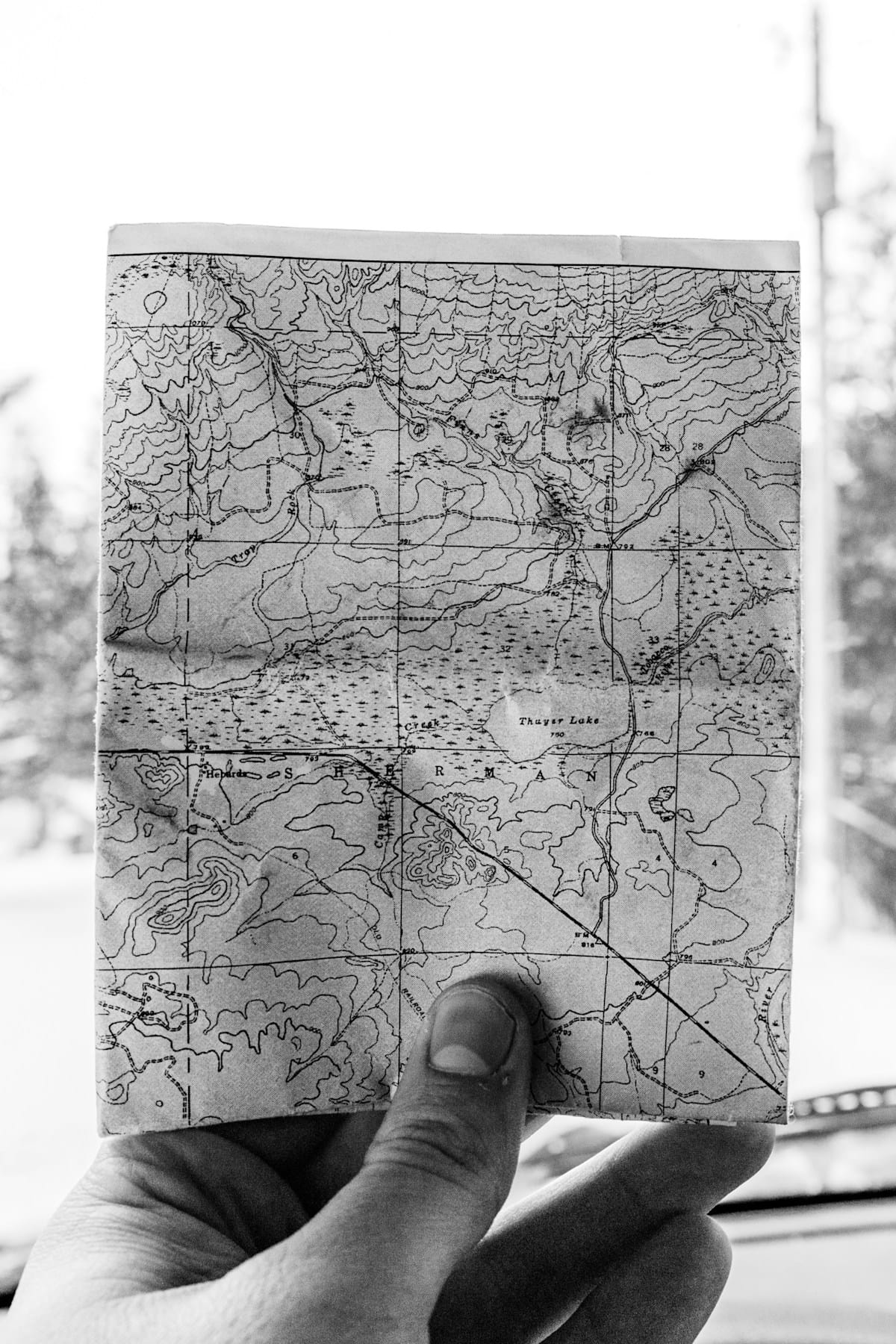
The Part 107 Test Starts Showing Unfamiliar Charts on October 26
From 26 October, the FAA UAS knowledge test can use current chart images outside the testing supplement. Teams should teach chart interpretation, not page recognition.

A Restriction That Arrives in a Day: What the Southern Border Drone TFR Changes for Corridor Work
A temporary flight restriction now covers the full altitude band used by most commercial drone work within one nautical mile north of the U.S.-Mexico border. Here is the workflow corridor teams should check first.

FCC Moves to Open 50 MHz of Low-Band Spectrum for Drones: What It Changes for Field Programs
The FCC has circulated a draft order that would lift a decades-old ban on airborne use of the 800 MHz Cellular band, opening 50 MHz of low-band spectrum to drones. The rule is about connectivity, not flight authority, and that distinction should shape how field programs plan their links.