
PMRA's Drone Pesticide Application Proposal: What It Changes For Canadian Ag Operators
Health Canada's PMRA proposal would allow RPAS application for products already registered for conventional aerial application, but operators would still need label compliance, training and provincial coordination.
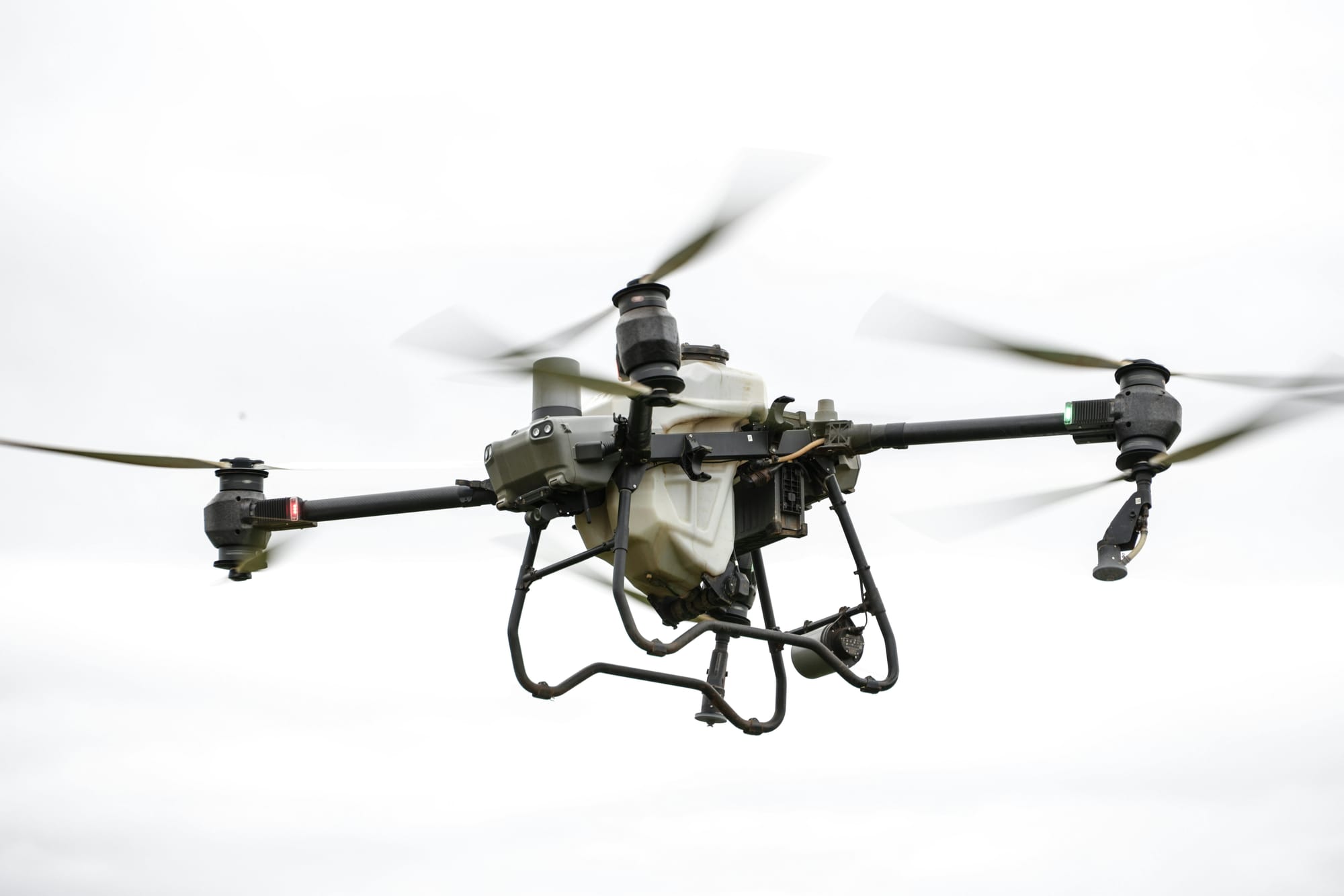
Health Canada's PMRA PRO2026-01 is one of the more important Canadian drone-agriculture documents of 2026. The proposal would permit RPAS application of pest control products that are already registered for conventional aerial application, instead of requiring every product to add RPAS-specific label language first.
That is a meaningful shift, but it is not a blanket approval for spray drones. If a label says do not apply by air, or does not permit aerial application, RPAS application would still be prohibited. Operators would also need to follow aerial label directions, including rates, spray volume, droplet size, buffer zones and other conditions of use.
Why The Proposal Matters
PMRA says data reviewed so far suggest risks from RPAS application are comparable to conventional application in key areas, and in some spray-drift contexts may be closer to ground application. That finding is what supports a more flexible policy approach.
For operators, the opportunity is faster access to jobs where aerial application is already accepted. The compliance burden does not disappear. It moves into label review, crew training, role separation, protective equipment and provincial or territorial pesticide rules.
What Canadian Operators Should Prepare
- Label review procedures. Every product and crop/use pattern needs to be checked before quoting the work.
- Training records. RPAS certificates, WHMIS, pesticide education and provincial requirements should be organized before the season.
- Crew roles. PMRA discusses separation between mixing/loading and RPAS operation to reduce contamination risk.
- Equipment hygiene. Batteries, controllers and aircraft surfaces can become contamination paths if handling is casual.
The Practical Takeaway
The PMRA proposal could make spray drones more commercially practical in Canada, but the winning operators will be the ones who treat pesticide compliance as the product, not an afterthought attached to the aircraft.

Related reading
Continue the thread.
Related posts are pulled from the same primary topic as the current article.

Transport Canada Just Put the Radio Link in the Weather Section
Transport Canada now places urban command and control guidance beside wind guidance. Brief the radio path and the airflow as one operating environment.

Line-side resupply is the number worth keeping
Aerial resupply of planting crews closed its season with more than a million seedlings delivered. What made it work was not lift capacity, it was removing walking from the crew's day.

Why a rooftop drone response needs its own rulebook
Running emergent aerial response and scheduled investigative flying on the same fleet looks efficient. The first quarter of a Canadian program shows why the two are kept apart.