
Drone Roof Inspections And The AI Triage Layer: How Hail Claims Are Processed In 2026
Drone roof inspection is increasingly paired with AI-assisted triage, but the strongest workflows still keep human review, evidence quality and claim defensibility at the center.
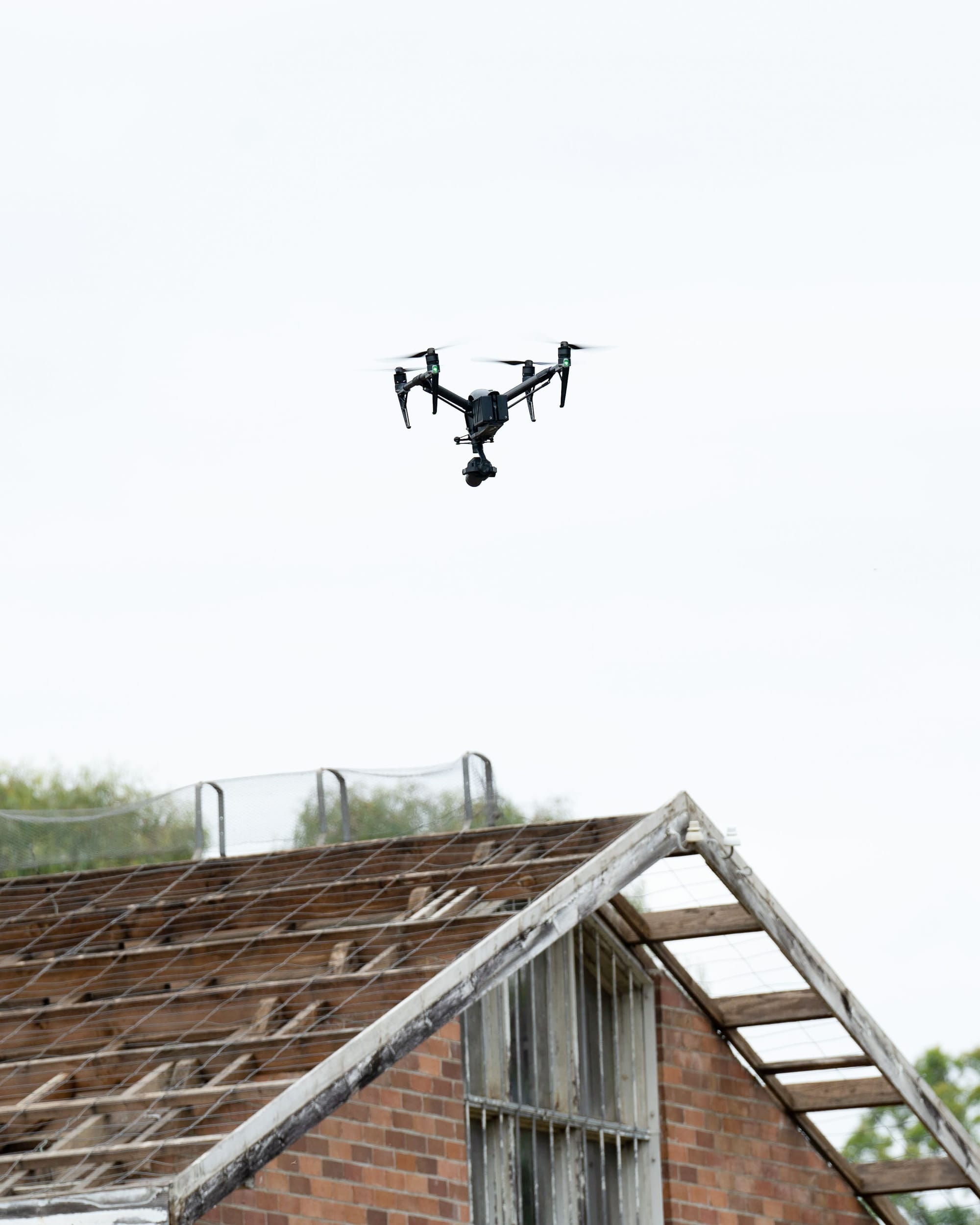
Drone roof inspection has become more than a safer way to avoid ladders. The workflow now often includes aerial imagery, roof measurements, condition documentation and AI-assisted damage triage. Verisk and EagleView described their partnership as combining claims workflows with drone imagery, measurements and AI-powered damage detection.
EagleView Assess is one example of how vendors are packaging roof capture, AI detection and reporting into a claim-support workflow. That does not mean AI should decide a claim on its own. It means AI is increasingly the first sorting layer between raw imagery and adjuster review.
What AI Triage Actually Changes
The operational gain is speed and consistency. A drone can capture the roof from repeatable angles, and software can flag possible hail strikes, missing shingles, flashing issues or roof sections that deserve closer review. That gives adjusters and contractors a better starting point than a folder of unstructured photos.
The risk is overconfidence. Roof age, material, lighting, weathering and image quality can all affect model performance. A fast report is not useful if the evidence is weak or the reviewer cannot explain how the conclusion was reached.
What Operators Should Build Into The Workflow
- Capture standards. Consistent overlap, altitude, angles and lighting reduce rework.
- Human review. AI should flag and prioritize, while a qualified person validates claim-relevant findings.
- Chain of evidence. Keep the original imagery, timestamps, flight logs and report versions together.
- Client language. Explain what the software does and what it does not decide.
The Practical Takeaway
For hail claims, drone operators who only deliver images are selling a commodity. Operators who deliver defensible evidence, clean reports and a supervised AI triage process are closer to the workflow insurers and contractors actually need.

Related reading
Continue the thread.
Related posts are pulled from the same primary topic as the current article.
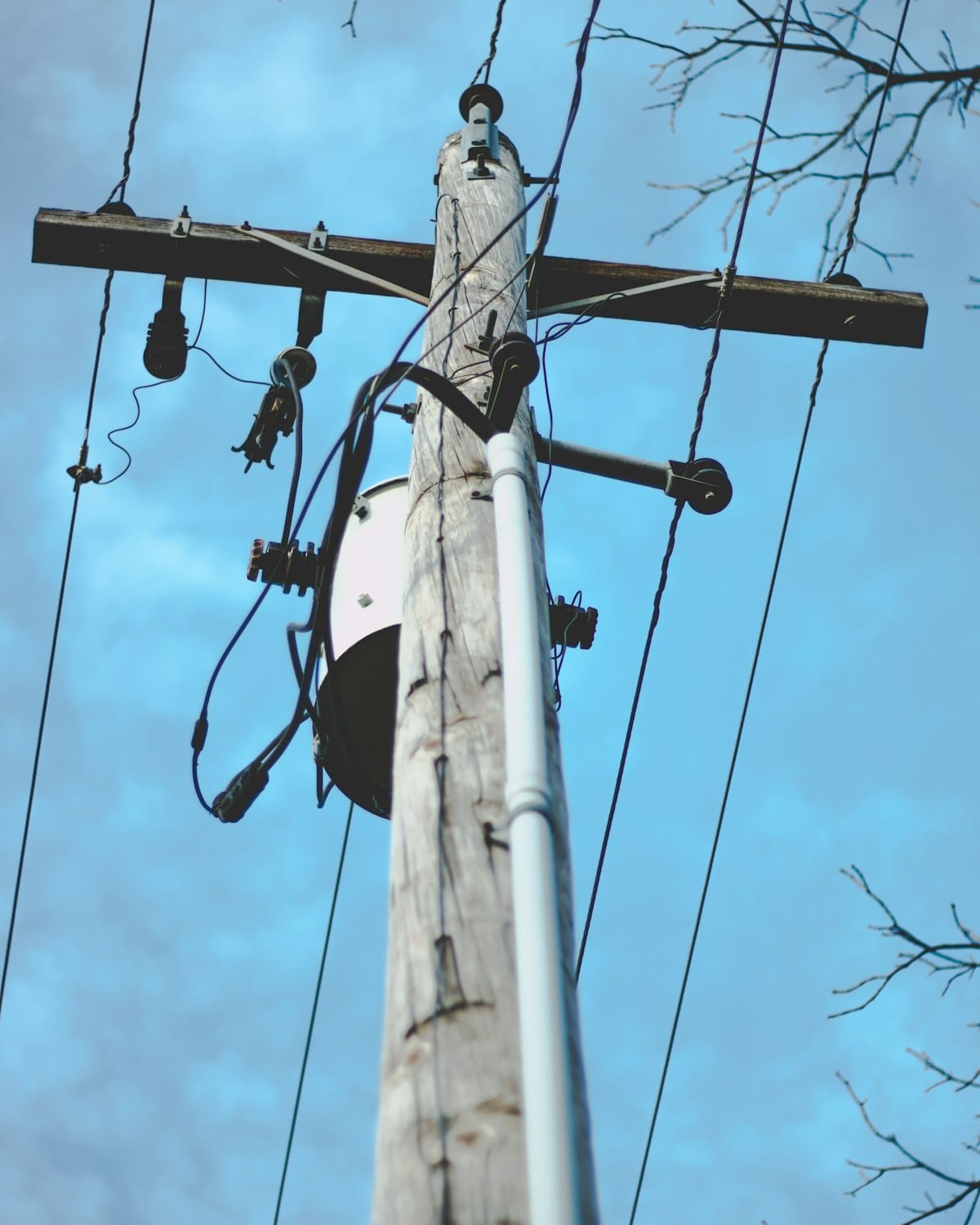
The Dataset Is the Deliverable: What a Transformer Inspection Program Has to Prove
A transformer inspection program creates value when each image is tied to the right asset and condition decisions can be traced to evidence.
China's Export List Just Drew a Line Through Long-Range Inspection Aircraft
China's revised dual-use export list sets technical thresholds that reach some inspection aircraft and components. Buyers should map specifications and licensing needs before 18 November.

The Fire Season Ends. The Aerial Damage Assessment Is Just Starting.
Public Safety Canada's October update closed the 2026 wildfire season at more than 5,400 fires and roughly 4.5 million hectares burned. The recovery phase that follows runs on aerial evidence, and a proven federal deployment shows what that programme has to produce.