
Autonomous Docked Drones Are Changing How Utilities Inspect Infrastructure
Docked drone systems are shifting utility inspections from annual patrols to recurring, data-rich monitoring. Operators who want to stay relevant need to understand the data workflow, not just the aircraft.
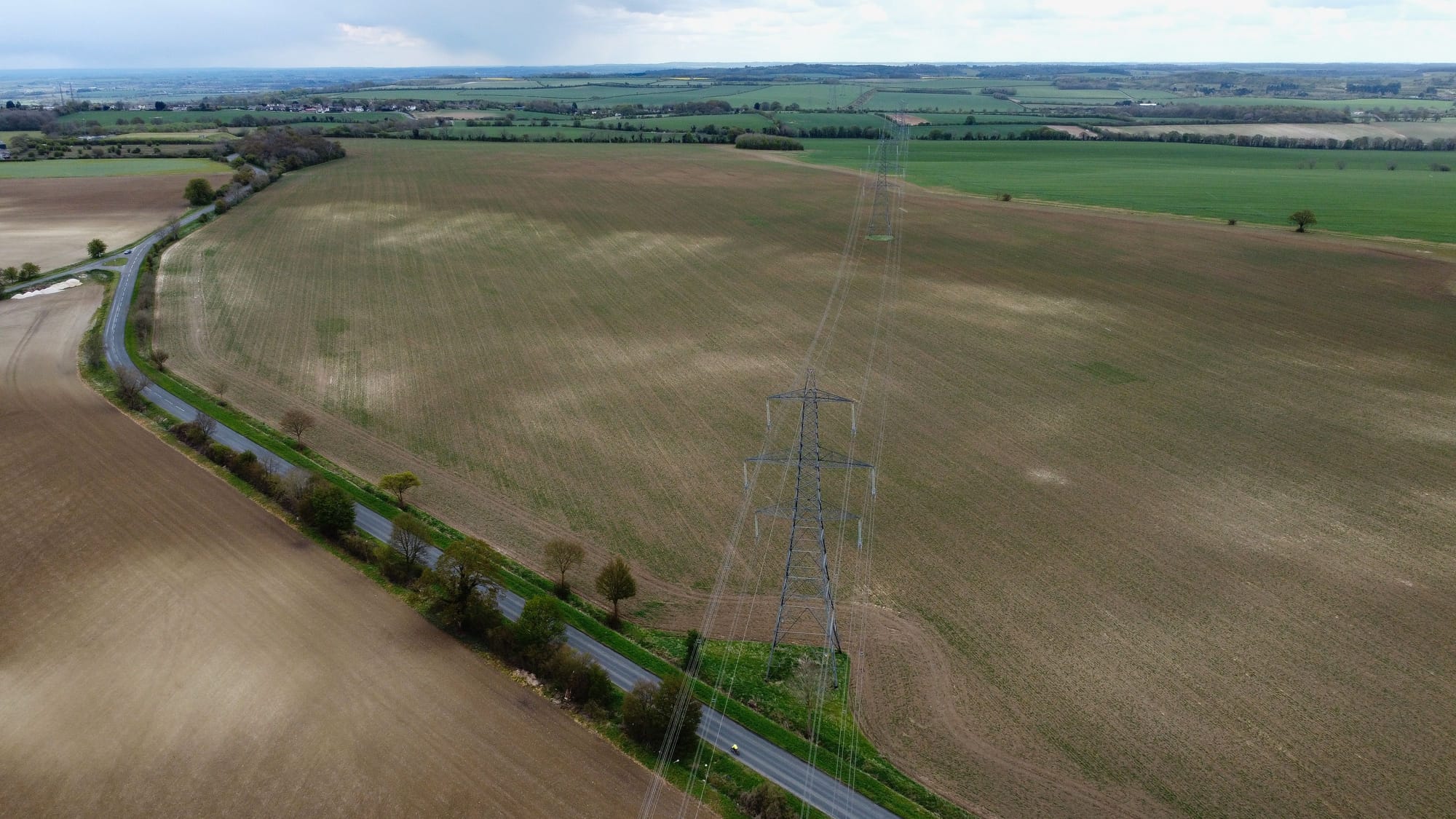
Utility inspections used to be scheduled events. A crew would drive to a substation, transmission corridor or distribution route, launch a manually piloted aircraft, capture visual and thermal imagery, and bring the data back for review. That workflow was a major improvement over ground patrols, but it was still an event, not a monitoring system.
The next model is docked drones. In Commercial UAV News, Vikhyat Chaudhry of Buzz Solutions describes weatherproof docked systems that allow drones to take off, land, recharge and store data with far less field intervention. That is the same category Aerosyne has covered in a security context with drone-in-a-box perimeter systems, but utilities put a different pressure on the workflow: inspection cadence and data volume.
The Shift From Event To Continuous Monitoring
Docked drones are not new, but their operating reliability and packaging are starting to make them credible for utility environments. Chaudhry's article points to systems capable of repeated autonomous flights per site, producing ongoing visual and thermal capture rather than occasional snapshots.
That changes the utility's inspection posture. Instead of asking what a line or substation looked like last quarter, a utility can begin asking what changed since yesterday. Substations, switchyards and transmission corridors that once received periodic attention can be monitored with a more regular rhythm.
For commercial drone teams serving utility clients, the shift creates both risk and opportunity. The risk is that a turnkey docked-drone vendor takes over work that used to be manually flown. The opportunity is that docked systems generate more data, more exceptions and more need for a disciplined handoff into utility engineering workflows.
The Data Pipeline Is The Bottleneck
More flights do not automatically create more value. They create more imagery. The real business problem is what happens after the aircraft lands and the data leaves the dock.
If a utility already has unprocessed inspection data under the manual model, a higher-frequency docked workflow can make that backlog worse. Automated defect detection, change detection and triage become part of the inspection product. The operator who can deploy a system, manage the data, validate the flagged findings and deliver prioritized work items is providing more value than an operator who only flies routes.
That distinction matters because the hardware barrier is falling. More vendors can provide a dock, aircraft and charging infrastructure. The harder work is connecting the output to GIS, asset-management systems, work-order software and the people who decide whether a field crew needs to roll.
What Commercial Teams Should Do Now
Utility inspection teams that want to stay relevant should start with the client's current data workflow. Which system owns the asset record? Where do thermal anomalies go? Who validates vegetation encroachment? What triggers a repair ticket? A docked drone program that fits existing utility systems will beat a cleaner drone demo that creates another isolated dashboard.
The second preparation step is exception handling. An automated system might flag a transformer hot spot or vegetation near a conductor. The operator who can respond with a targeted manual flight, collect the missing detail and deliver a same-day report fills a gap that the dock alone cannot close.
The third step is role design. A docked-drone operator is less a stick pilot and more a remote sensor manager. That person needs to understand flight safety, airspace, data quality and the downstream engineering use case.
The Practical Takeaway
Docked drones are not replacing human inspectors entirely. They are changing the cadence from scheduled events to recurring monitoring. The operators who win in utility inspection will not simply be the teams that buy docks first. They will be the teams that solve the data pipeline, exception response and client integration before the hardware arrives.

Related reading
Continue the thread.
Related posts are pulled from the same primary topic as the current article.
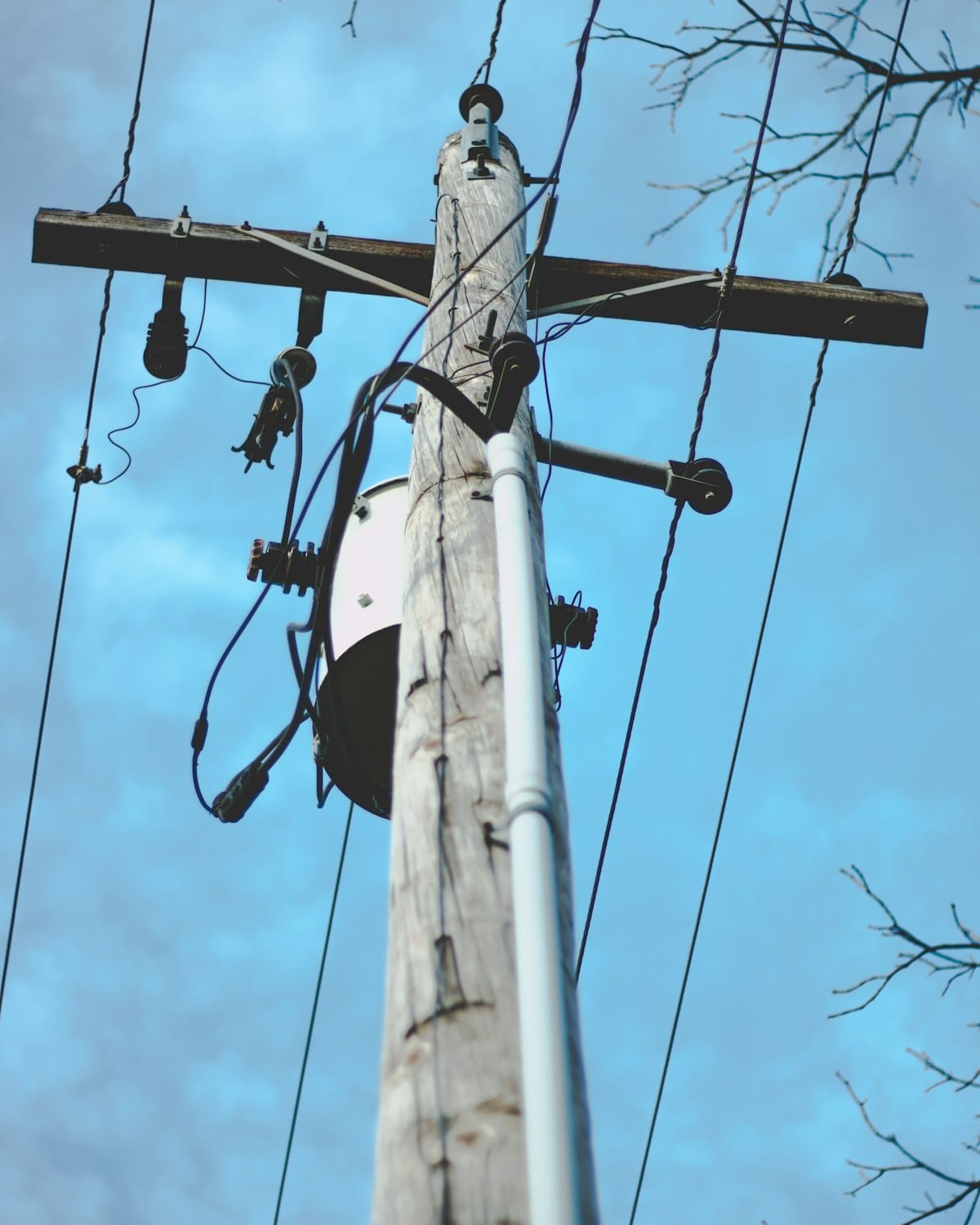
The Dataset Is the Deliverable: What a Transformer Inspection Program Has to Prove
A transformer inspection program creates value when each image is tied to the right asset and condition decisions can be traced to evidence.
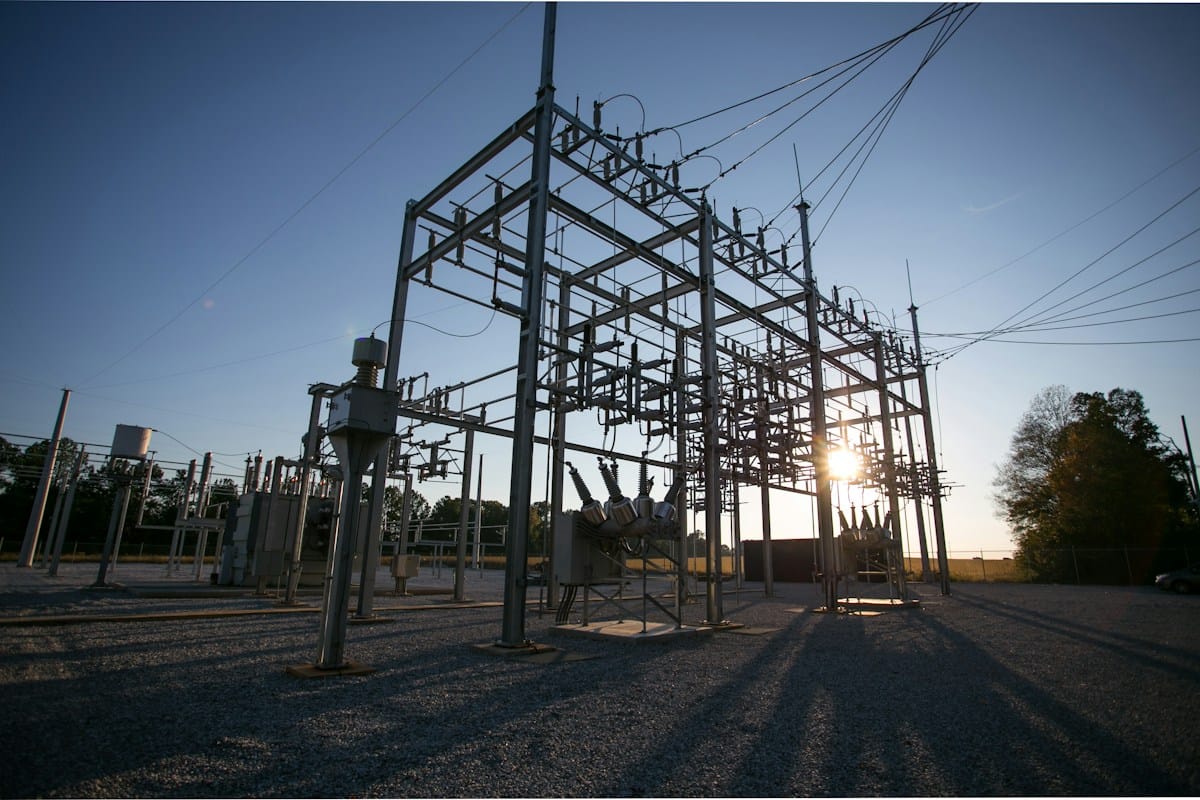
China's Export List Just Drew a Line Through Long-Range Inspection Aircraft
China's revised dual-use export list sets technical thresholds that reach some inspection aircraft and components. Buyers should map specifications and licensing needs before 18 November.

The Fire Season Ends. The Aerial Damage Assessment Is Just Starting.
Public Safety Canada's October update closed the 2026 wildfire season at more than 5,400 fires and roughly 4.5 million hectares burned. The recovery phase that follows runs on aerial evidence, and a proven federal deployment shows what that programme has to produce.