
Canada's Military Is Deploying Counter-Drone Systems at Naval Bases, and the Hardest Problem Is Not the Technology
Canada is expanding counter-drone work around military infrastructure. Detection technology matters, but the harder operational problem is deciding whether a drone is authorized, careless, or hostile.
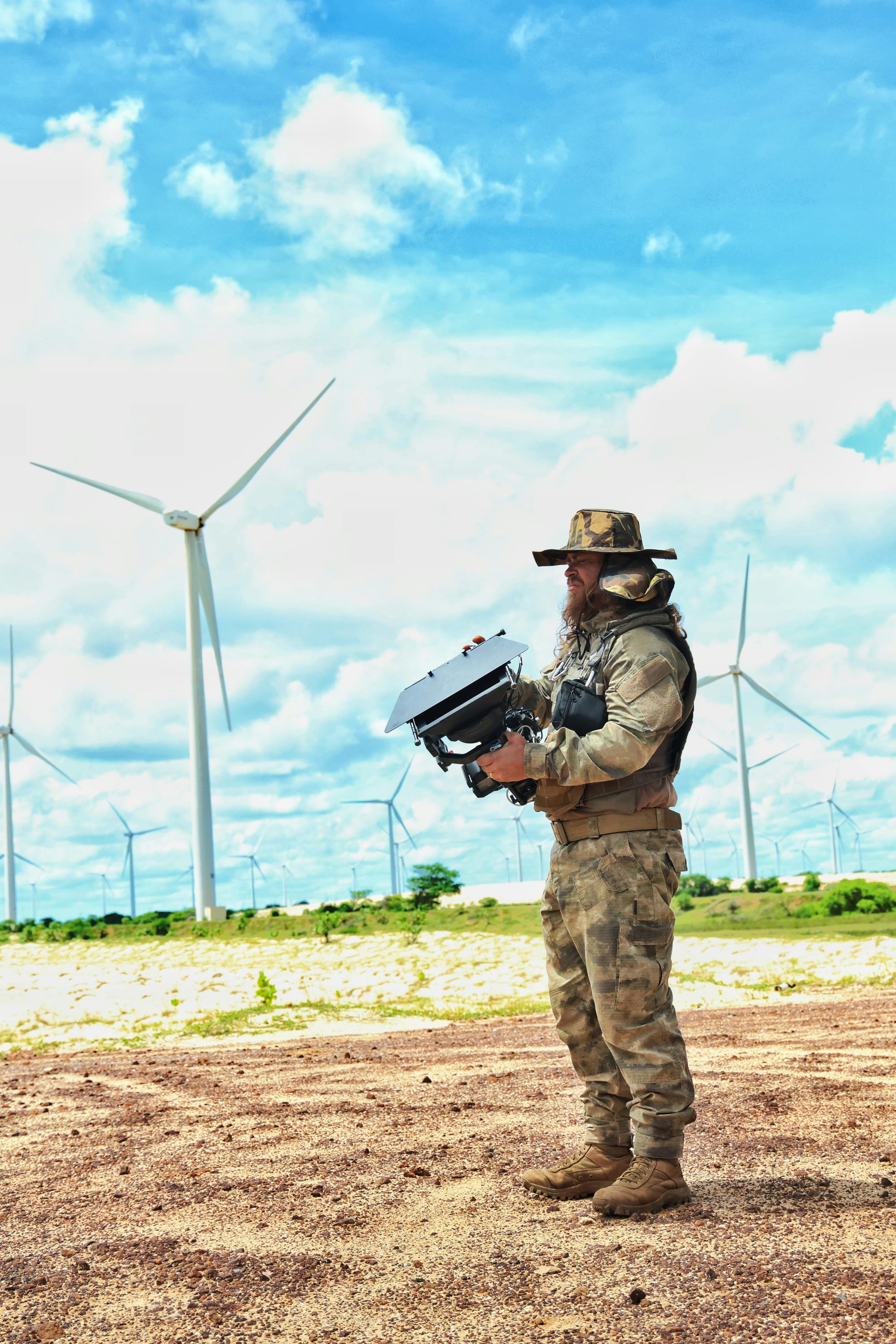
Canada's counter-drone work is no longer just an overseas deployment story. The Department of National Defence announced in 2024 that Canada was acquiring new air defence and anti-drone systems for Canadian Armed Forces members deployed with NATO in Latvia, including fixed-site Falcon Shield systems. In May 2026, reporting indicated that counter-UAS protections are also being fielded around domestic military infrastructure.
The technology is important, but it is not the hardest part of the problem. Around naval bases, harbours, and airfields, the first question is often not whether a drone can be detected. It is what the drone is doing, who is operating it, and whether the response is legally and operationally justified.
The Systems Are Real
The 2024 Canadian procurement included a Phase 1 Counter-UAS Project package valued at $46 million, with contracts for dismounted, omni-directional, and fixed-site systems. Leonardo's Falcon Shield fixed-site system accounted for an estimated $25 million of that package.
Those systems were initially framed around deployed protection in Latvia, but the operational lessons travel home quickly. Domestic military sites face many of the same detection, identification, and response questions, with the added complexity of civilian airspace, nearby communities, and legitimate drone work.
Detection Is Only The First Question
A radar track or camera lock does not automatically tell an operator whether a drone is a threat. A small aircraft near a harbour could be a curious hobbyist, a media flight, an infrastructure inspection crew, a contractor with authorization, or a hostile actor testing response time.
That distinction matters because the response options are not all equal. Electronic jamming can affect nearby communications. Physical defeat can create debris risk. Even a security response short of interdiction can interrupt legal work and create a public incident. The more crowded the local environment, the more important identification becomes.
Canada Is Designing Around That Reality
The Department of National Defence's 2026 Counter Uncrewed Aerial Systems Sandbox is useful because it describes the operational problem in plain terms. DND and the CAF are asking for systems that can detect or defeat micro and mini UAS, integrate with command and control, and work in scenarios that include operating bases, urban environments, and naval environments.
The naval scenario is especially relevant. DND notes that systems must account for ships underway or alongside a dock, harbour obstacles, coastal and urban settings, and the electromagnetic environment around a ship. In other words, the military is not just buying a sensor. It is trying to build a decision system around messy real-world airspace.
What This Means For Industry
For commercial operators, the takeaway is simple: airspace near naval infrastructure is becoming more actively watched. That does not mean legitimate drone work disappears. It does mean the margin for vague paperwork, unexplained loitering, weak client coordination, or casual flight planning gets smaller.
Operators working near defence infrastructure should assume they may need to explain who they are, why they are there, what aircraft they are flying, and how the mission was authorized. In a counter-drone environment, being identifiable is not a courtesy. It is operational risk management.

Related reading
Continue the thread.
Related posts are pulled from the same primary topic as the current article.

Transport Canada Just Put the Radio Link in the Weather Section
Transport Canada now places urban command and control guidance beside wind guidance. Brief the radio path and the airflow as one operating environment.

Line-side resupply is the number worth keeping
Aerial resupply of planting crews closed its season with more than a million seedlings delivered. What made it work was not lift capacity, it was removing walking from the crew's day.

Why a rooftop drone response needs its own rulebook
Running emergent aerial response and scheduled investigative flying on the same fleet looks efficient. The first quarter of a Canadian program shows why the two are kept apart.