
Canada Is Ramping Up Counter-UAS Defenses. What Operators Need to Know Near Military Infrastructure
Canada is expanding counter-UAS work around military infrastructure. For commercial operators, the immediate risk is less about interception and more about triggering a security response.
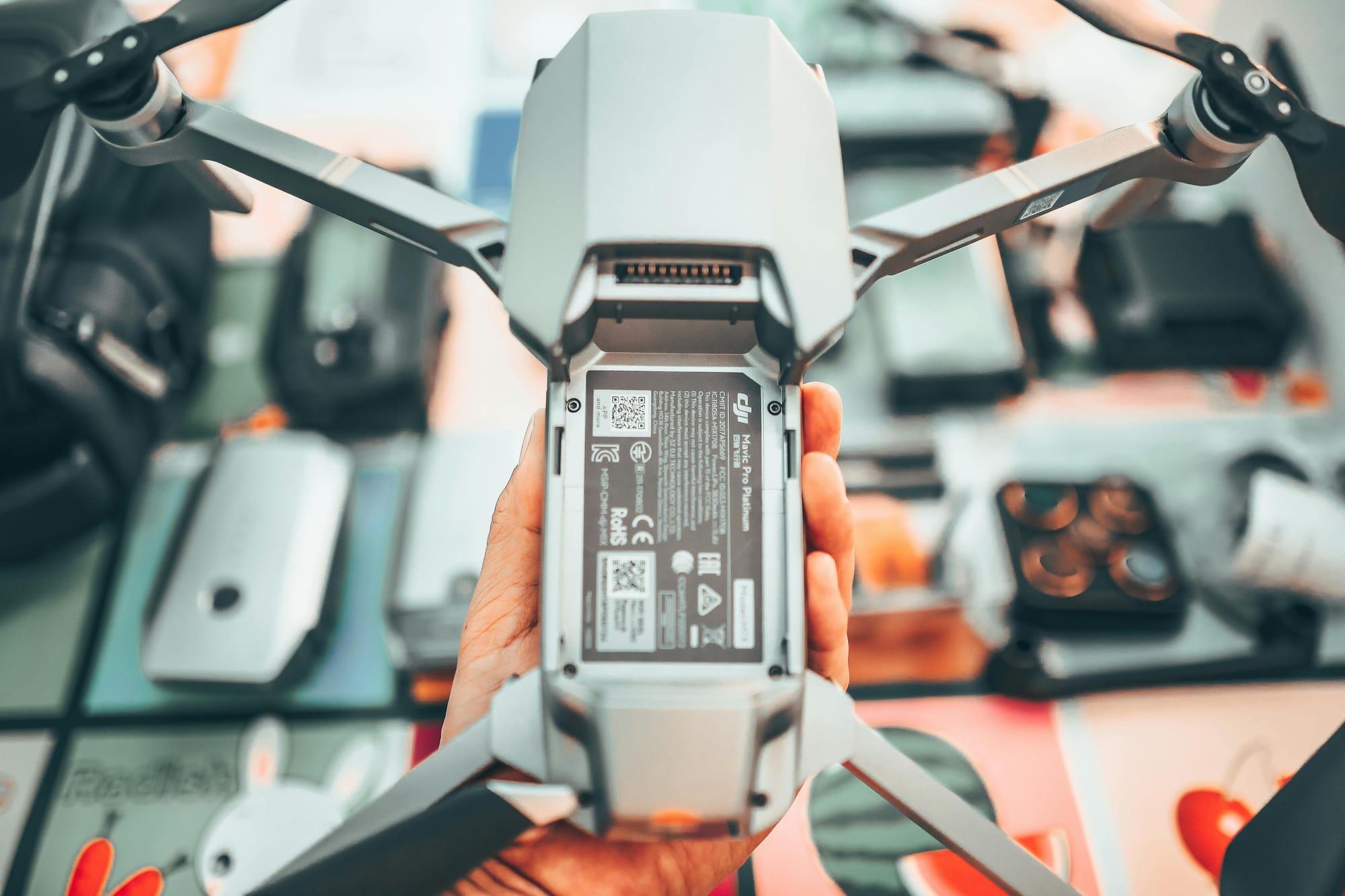
Canada's counter-UAS buildup matters to commercial drone operators because it changes the context around military infrastructure. A flight that looks routine to an inspection crew may look very different to a security team responsible for naval facilities, defence airfields, or future high-value aircraft infrastructure.
The draft version of this conversation often gets reduced to hardware. Which jammer? Which radar? Which camera? For operators, the more practical question is simpler: how do you make sure a legitimate flight is clearly identifiable before it is treated as suspicious?
What Is Actually Changing
Recent reporting says Canadian military sites are receiving counter-UAS protections, including naval locations and air force installations preparing for future fleets. The same reporting says the military is coordinating with Transport Canada and the RCMP because domestic drone response sits inside a legal and operational grey area.
That fits with the broader official picture. Canada has already procured counter-UAS systems for deployed forces, and DND's 2026 CUAS Sandbox is focused on systems that can detect, defeat, and integrate with broader command and control. The department's operational scenarios explicitly include airfields, naval environments, urban settings, and the need to distinguish authorized and non-authorized aircraft.
Do Not Assume Every Response Is Interdiction
The immediate risk for most lawful operators is not that a drone will be taken down. It is that the flight creates enough ambiguity to trigger calls, delays, investigation, or a security response that could have been avoided with better coordination.
Military infrastructure is also changing. Canada's current defence plans show continuing work around the future fighter fleet and CP-8A maritime patrol aircraft. Those programs bring more attention to bases, hangars, aprons, training facilities, and related infrastructure. Even before every platform is fully operational in Canada, the security posture around those sites can tighten.
What Operators Should Document
Before flying near defence infrastructure, operators should treat the job file as part of the safety system. At minimum, keep the client authorization, aircraft registration, pilot certificate, crew contact details, insurance, site contact, airspace authorization, and any applicable NAV CANADA or ATC coordination in one place.
If the aircraft has Remote ID capability, make sure the configuration is correct for the jurisdiction where the aircraft is being flown. In Canada, do not assume an FAA Remote ID setup replaces Canadian requirements. In the US, UK, or EU, do not assume Canadian registration is enough. The aircraft identity story needs to match the actual operating country.
How To Lower The Risk Of A Misread Flight
The most useful operational habit is early coordination. If the work is close to a naval facility, air base, port, or restricted site, identify the controlling airspace, check NOTAMs, confirm whether the site has its own contact process, and avoid loitering patterns that could be misread as surveillance.
During the flight, keep the operation boring. Fly the mission profile that was briefed, stay within the authorized area, keep logs, and have someone reachable who can explain the operation quickly if contacted by a client, regulator, air traffic unit, or security authority.
The Bottom Line
Counter-UAS deployment does not make legitimate drone work impossible near sensitive infrastructure. It does raise the cost of ambiguity. Operators who can prove authorization, identify aircraft, explain the mission, and show disciplined flight conduct will be better positioned than crews relying on informal permission and a quick verbal explanation after the fact.

Related reading
Continue the thread.
Related posts are pulled from the same primary topic as the current article.

Transport Canada Just Put the Radio Link in the Weather Section
Transport Canada now places urban command and control guidance beside wind guidance. Brief the radio path and the airflow as one operating environment.

Line-side resupply is the number worth keeping
Aerial resupply of planting crews closed its season with more than a million seedlings delivered. What made it work was not lift capacity, it was removing walking from the crew's day.

Why a rooftop drone response needs its own rulebook
Running emergent aerial response and scheduled investigative flying on the same fleet looks efficient. The first quarter of a Canadian program shows why the two are kept apart.