
FIFA World Cup 2026 No-Drone Zones: What Operators Across Host Cities Need To Know
The FAA has published World Cup no-drone guidance, and local federal partners are warning operators about TFRs, penalties and seizure risk. Check every flight near host-city events.
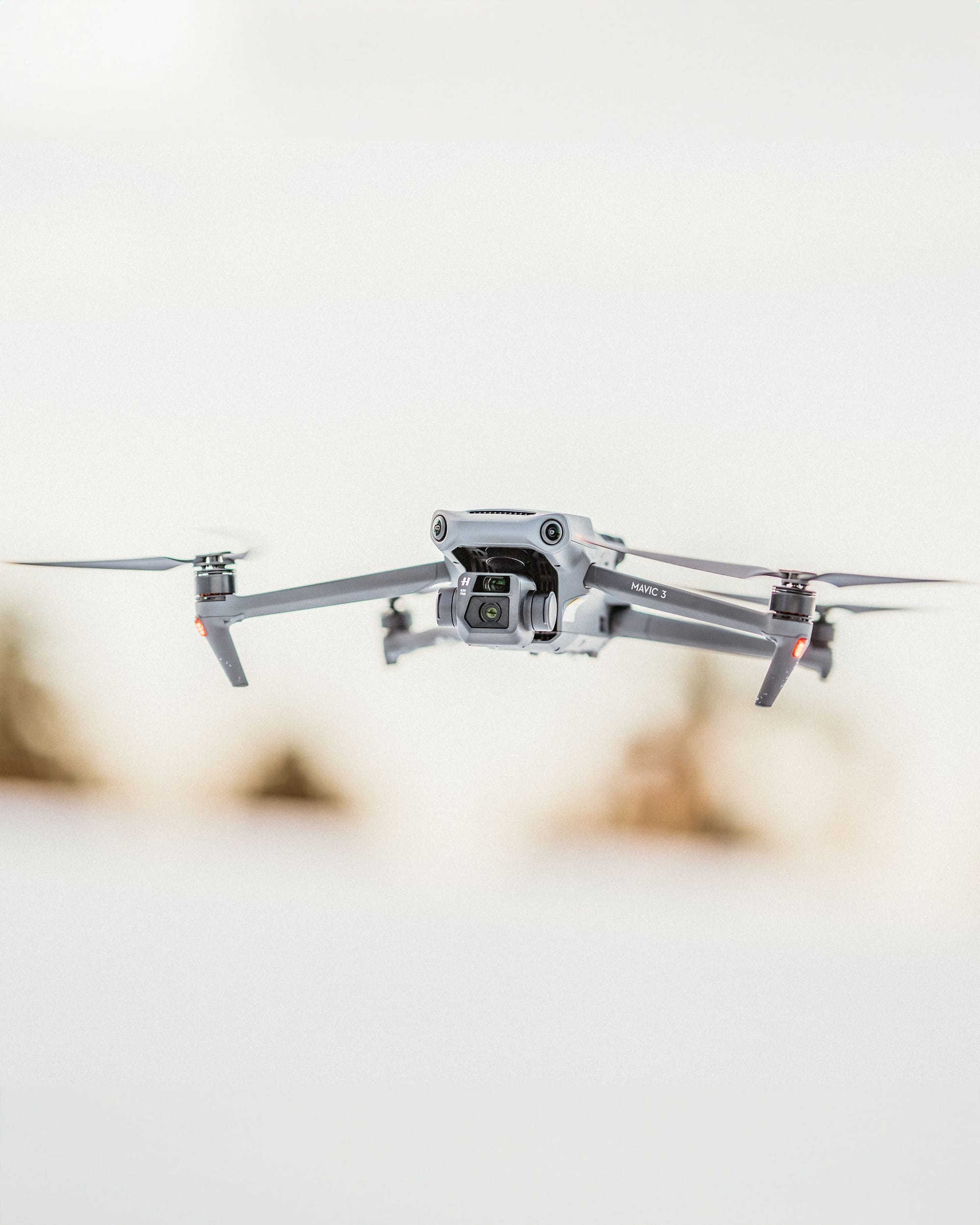
The FIFA World Cup 2026 airspace message is simple: do not assume a normal Part 107 job remains normal just because it is near a stadium, fan site or event corridor. The FAA has published a dedicated World Cup 2026 safety plan explaining that unauthorized drone flights are prohibited in designated no-drone airspace during major events.
The risk is not theoretical. The FBI's Philadelphia field office says a No Drone Zone has been established for the Philadelphia Stadium, Lemon Hill Park and related sites, with enforcement options that can include fines, seizure and criminal consequences for unauthorized flights.
TFRs Are Not Just Stadium Rings
Many operators know the standard sports-stadium TFR concept. World Cup operations add complexity because the tournament includes matches, training, fan activity, team movement and local security layers. A flight that looks unrelated to the event on a map may still intersect a temporary restriction or law-enforcement operation.
The practical rule is to check airspace every time. Do not rely on a saved LAANC workflow, an old job site map or a client's statement that drones were allowed there last month.
What Operators Should Do Before Each Flight
- Check current NOTAMs and TFRs. Event restrictions can change by date, venue and security posture.
- Confirm client authority. A media credential, venue vendor badge or city work order is not the same as airspace authorization.
- Keep aircraft identification clean. Registration, Remote ID status and pilot certificate details should be ready if contacted.
- Plan outside the event footprint. If the job can be rescheduled or moved, that may be cheaper than trying to thread a restriction.
The Practical Takeaway
For June and July 2026, host-city operators should treat World Cup-related airspace as dynamic. The safe habit is to verify restrictions for the exact date, time, site and altitude before every launch.

Related reading
Continue the thread.
Related posts are pulled from the same primary topic as the current article.

PVD Acceptance Letters: What They Confirm and What They Do Not Mean
Transport Canada's first pre-validated declaration acceptance letters let applicants move into verification activities. They do not mean a product already meets Standard 922, a distinction that should shape how commercial RPAS teams plan evidence and prepare advanced or Level 1 Complex operations.

The Emergency Drill Your Drone Team Should Run Before the Next Job
Emergency procedures only help when a crew can use them under pressure. A short, repeatable drill gives commercial drone teams a practical way to rehearse communications, decision authority, and recovery before the next job.
Part 107 Recurrent Training: What Actually Keeps A Remote Pilot Current
A Part 107 certificate does not show an expiration date, but pilots still need current aeronautical knowledge. The FAA requirement is online recurrent training every 24 calendar months.