
The Emergency Drill Your Drone Team Should Run Before the Next Job
Emergency procedures only help when a crew can use them under pressure. A short, repeatable drill gives commercial drone teams a practical way to rehearse communications, decision authority, and recovery before the next job.

Commercial remote pilots are expected to assess the operation before flight and keep the small unmanned aircraft in a condition for safe operation. The FAA's remote pilot guidance and 14 CFR 107.49 set the baseline. A drill helps a team make those expectations usable when the day stops going according to plan.
The best emergency drill is short enough to run before a shift, specific enough to expose real gaps, and repeated often enough that the team does not have to invent its response mid-event.
Use one scenario and one clear objective
Choose a scenario that matches the work: lost command link, unexpected person entering the launch area, weather deterioration, flyaway indication, battery issue, or a non-participant approaching the aircraft. Give the crew a single objective, such as getting the aircraft to a safe state, securing the area, or notifying the correct jobsite contact.
Keep the aircraft on the ground for a tabletop drill when that is enough. The goal is to test people and procedures, not to create additional flight risk during training.
Assign roles before the drill starts
Name the remote pilot in command, visual observer when used, site contact, and person responsible for the log. The remote pilot in command needs clear authority to stop or terminate an operation. Everyone else should know how to report a concern without creating competing instructions.
Run the communications exactly as they would be run on a job. If a crew uses a radio, phone, checklist, or site control room, use that tool in the drill. That is how teams discover gaps in contact details, vocabulary, and escalation paths.
Review the response, not the performance
After the drill, ask three questions: What information was missing? Which decision took too long? What should change in the checklist, contact list, or site plan? Capture the answer in a short log and assign any follow-up before the next operation.
A useful drill should make the next real response calmer and more predictable. It should not become a test of memory or a reason to blame someone for finding a weak procedure.
Make the cadence realistic
Run a short drill at mobilization for a new site, after a material change to the operation, and periodically for recurring work. Rotate scenarios so the team practices more than a single lost-link checklist. Field conditions, local coordination, and the people on the crew all change over time.
Sources: Federal Aviation Administration remote pilot guidance and 14 CFR 107.49.

Related reading
Continue the thread.
Related posts are pulled from the same primary topic as the current article.

PVD Acceptance Letters: What They Confirm and What They Do Not Mean
Transport Canada's first pre-validated declaration acceptance letters let applicants move into verification activities. They do not mean a product already meets Standard 922, a distinction that should shape how commercial RPAS teams plan evidence and prepare advanced or Level 1 Complex operations.

Part 107 Recurrent Training: What Actually Keeps A Remote Pilot Current
A Part 107 certificate does not show an expiration date, but pilots still need current aeronautical knowledge. The FAA requirement is online recurrent training every 24 calendar months.
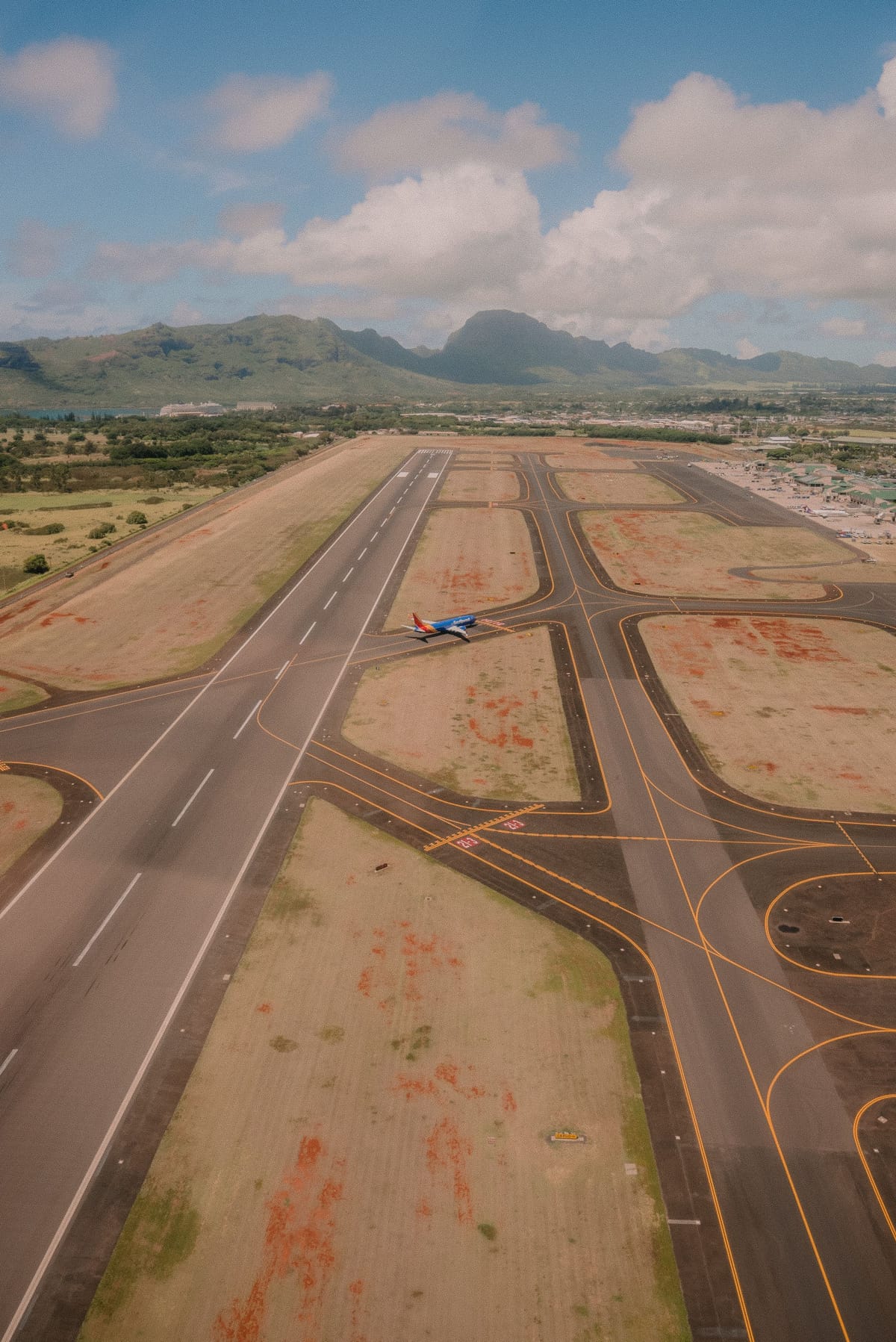
Drone Sightings Near Airports Nearly Doubled In Q2 2026
FAA data cited by DRONELIFE shows 601 reported drone sightings near airports from April through June 2026, up from 320 in the previous quarter.