
Drone Sightings Near Airports Nearly Doubled In Q2 2026
FAA data cited by DRONELIFE shows 601 reported drone sightings near airports from April through June 2026, up from 320 in the previous quarter.
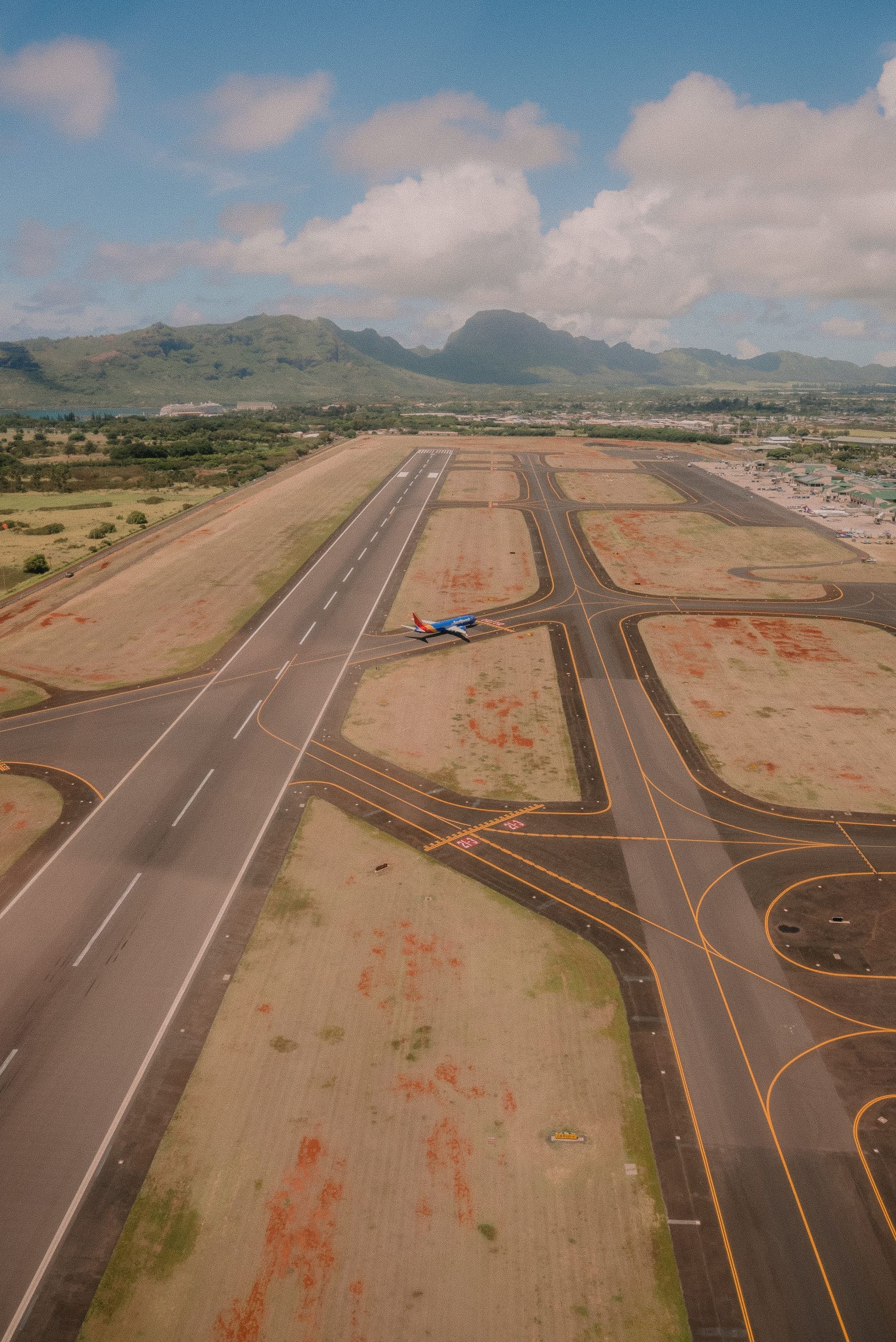
Drone sightings near airports increased sharply in the second quarter of 2026. DRONELIFE, citing FAA data, reported 601 sightings from April through June, compared with 320 in the previous three-month period. That is not just a recreational pilot problem. It affects how commercial teams are perceived near controlled airspace.
The Numbers
The FAA continues to maintain a public UAS sightings report and encourages reports of unauthorized drone operations near airports. The Q2 jump suggests two things may be happening at once: more drones are being flown near sensitive airspace, and detection and reporting systems are getting better at surfacing incidents.
Operational Impact
Know the airspace before every flight. LAANC authorization, NOTAM review, local temporary flight restrictions and airport proximity checks should be routine, not special handling.
Build conservative buffers into route planning. If a worksite is near an airport, approach corridor or heliport, the plan should account for altitude limits, abort points and client expectations before the crew arrives.
Document authorization and intent. Commercial operators working legally near controlled airspace should be able to show what was approved, when the flight occurred and who was responsible for coordination.
The Bottom Line
Airport-adjacent operations are becoming more visible and less forgiving. For legitimate commercial teams, the answer is not to avoid every job near an airport. The answer is to make compliance obvious, documented and easy to defend.

Related reading
Continue the thread.
Related posts are pulled from the same primary topic as the current article.

PVD Acceptance Letters: What They Confirm and What They Do Not Mean
Transport Canada's first pre-validated declaration acceptance letters let applicants move into verification activities. They do not mean a product already meets Standard 922, a distinction that should shape how commercial RPAS teams plan evidence and prepare advanced or Level 1 Complex operations.

The Emergency Drill Your Drone Team Should Run Before the Next Job
Emergency procedures only help when a crew can use them under pressure. A short, repeatable drill gives commercial drone teams a practical way to rehearse communications, decision authority, and recovery before the next job.

Part 107 Recurrent Training: What Actually Keeps A Remote Pilot Current
A Part 107 certificate does not show an expiration date, but pilots still need current aeronautical knowledge. The FAA requirement is online recurrent training every 24 calendar months.