
The Dataset Is the Deliverable: What a Transformer Inspection Program Has to Prove
A transformer inspection program creates value when each image is tied to the right asset and condition decisions can be traced to evidence.
The count is the easy part
An aerial inspection is valuable only when the resulting evidence can be connected to the right asset and used to support a defensible condition decision. A UK innovation project offers a useful example of the work needed between an image capture and an asset-management record.
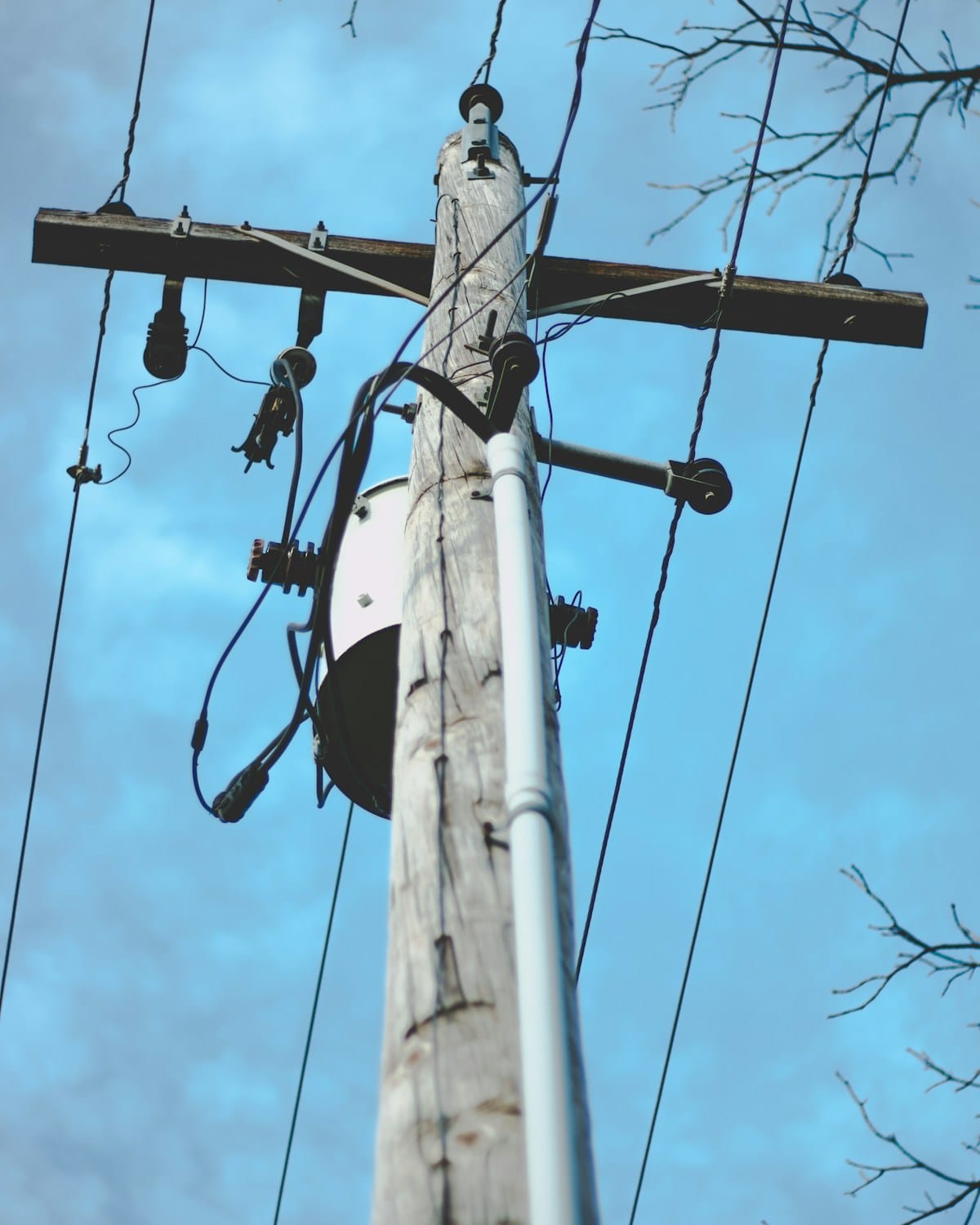
The Energy Networks Association's PMT Scan project registration describes a program testing high-resolution aerial imagery and automated visual analysis for pole-mounted transformers. The project aims to identify visible indicators including corrosion, oil leakage, structural condition and bushing health, then turn the observations into standardized, auditable condition data.
The capture standard comes first
A dataset assembled from inconsistent viewpoints is difficult to compare. Before a field program begins, define the views, resolution and coverage required for each asset, along with the conditions under which an image must be retaken. Consider the surfaces that vegetation, hardware or the viewing angle can obscure.
The project registration also describes comparing helicopter and drone capture. Each method has different access and viewing constraints; the useful question is whether the resulting imagery can show the condition indicators the asset owner needs to assess.
Attach the evidence to the asset
Each image set needs a reliable asset identifier, capture date and location, together with the flight and quality records required by the client. A folder named after a crew or site is not a substitute for an asset key.
Keep an explicit record of assets that were inaccessible, missing or obscured. An asset not inspected is not the same thing as an inspected asset with no defect observed. Recording that difference prevents a gap in coverage from becoming a misleading clean bill of health.
Make the output auditable
PMT Scan aims to align condition data with the Common Network Asset Indices Methodology and examine how aerial imagery can support consistent condition monitoring. A practical handover should preserve the connection between the original image, the asset, the observation and the rule or reviewer behind any classification.
For a utility inspection program, agree the capture recipe and quality gate before the first flight. Validate the condition reading with the asset owner's engineers, record exceptions, and make sure the evidence can be retrieved later. The dataset is the deliverable, not merely the number of flights.

Related reading
Continue the thread.
Related posts are pulled from the same primary topic as the current article.
China's Export List Just Drew a Line Through Long-Range Inspection Aircraft
China's revised dual-use export list sets technical thresholds that reach some inspection aircraft and components. Buyers should map specifications and licensing needs before 18 November.

The Fire Season Ends. The Aerial Damage Assessment Is Just Starting.
Public Safety Canada's October update closed the 2026 wildfire season at more than 5,400 fires and roughly 4.5 million hectares burned. The recovery phase that follows runs on aerial evidence, and a proven federal deployment shows what that programme has to produce.

The Pilot Is 350 Kilometres Away: What Remote Drone Surveys Change on a Transmission Build
A transmission project in New South Wales is now surveyed by a docked aircraft flown from an operations centre more than 350 kilometres away. The pattern matters more than the provider: recurring surveys become scheduled infrastructure work, and the approval becomes the asset you operate.