
PHMSA's Pipeline ROW Remote Sensing Rule: What The Public Comment Period Means For Operators
PHMSA's April 2026 proposal would clarify that pipeline right-of-way patrol rules are technology neutral, including UAS and satellites. Comments are due June 23, 2026.
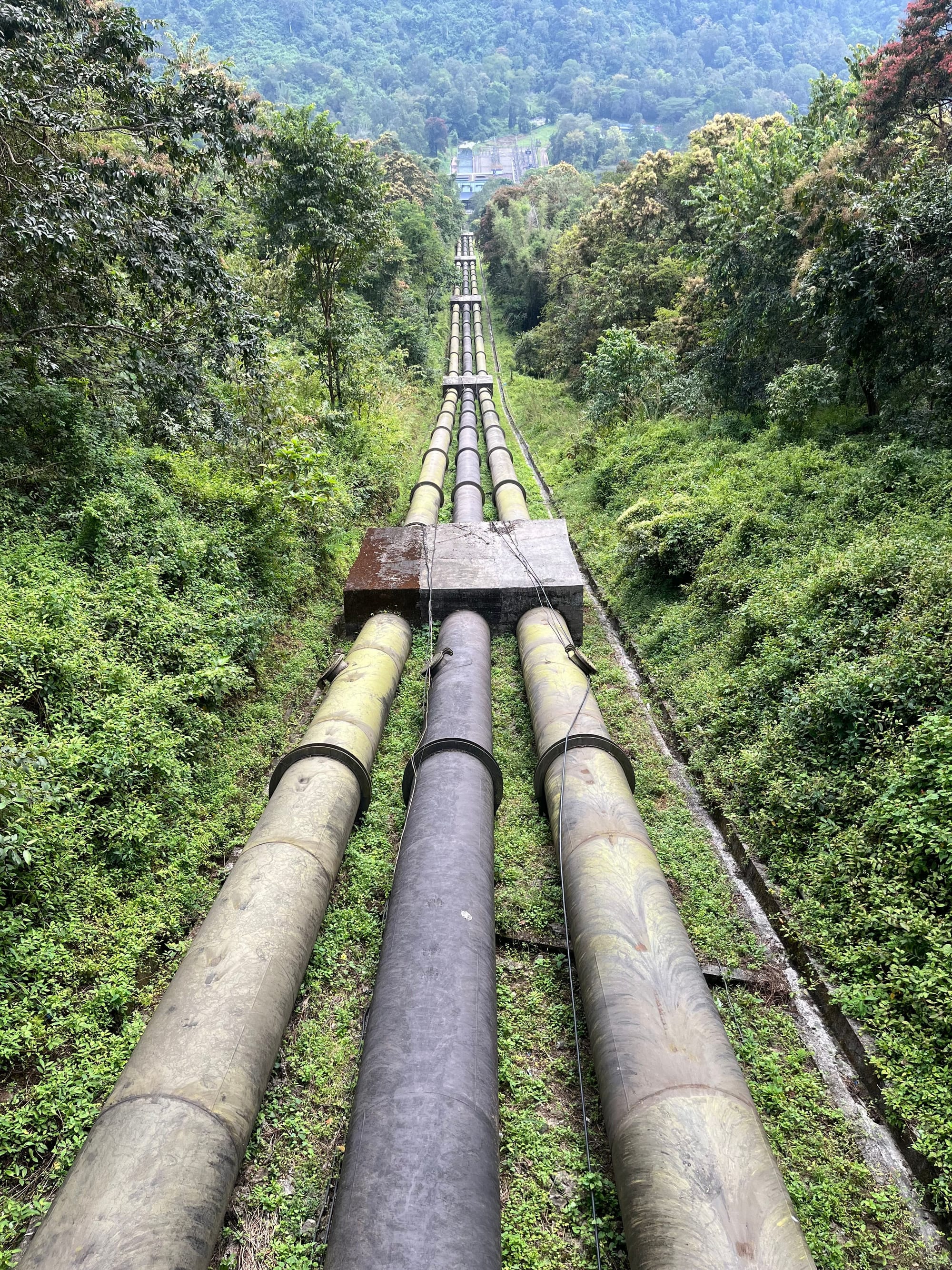
PHMSA's April 24, 2026 Federal Register notice proposes to clarify that pipeline right-of-way patrol requirements are technology neutral. The proposal specifically references remote sensing technologies, including unmanned aircraft systems and satellites, for gas transmission, hazardous liquid and carbon dioxide pipeline patrol requirements.
Comments are due by June 23, 2026. For drone operators, that comment window matters because pipeline inspection is one of the clearest commercial use cases for repeatable BVLOS, remote sensing and data-driven compliance.
What The Proposal Does And Does Not Do
The proposal does not turn every pipeline patrol into a drone job overnight. It would clarify that regulated operators may use technology to satisfy patrol requirements when the method meets the rule's purpose. That still leaves questions about data quality, patrol frequency, anomaly detection, documentation and how results are reviewed.
The important shift is that drones and satellites are being discussed as part of the compliance toolkit, not as side experiments. That helps pipeline companies evaluate remote sensing without treating every deployment as a regulatory exception.
Why Drone Operators Should Pay Attention
- Recurring routes. ROW patrol is repeatable work, which makes it a better business case than one-off inspection.
- Data defensibility. Operators need outputs that support compliance records, not just video or photos.
- BVLOS pressure. Long corridors make visual-line-of-sight patrol inefficient, so BVLOS readiness matters.
- Sensor selection. RGB, thermal, methane detection and LiDAR may all have roles depending on the operator's risk model.
The Practical Takeaway
Commercial drone firms that want pipeline work should use the comment period to understand the compliance language. The opportunity is not just flying the line. It is producing inspection evidence that a regulated pipeline operator can actually rely on.

Related reading
Continue the thread.
Related posts are pulled from the same primary topic as the current article.

PVD Acceptance Letters: What They Confirm and What They Do Not Mean
Transport Canada's first pre-validated declaration acceptance letters let applicants move into verification activities. They do not mean a product already meets Standard 922, a distinction that should shape how commercial RPAS teams plan evidence and prepare advanced or Level 1 Complex operations.

The Emergency Drill Your Drone Team Should Run Before the Next Job
Emergency procedures only help when a crew can use them under pressure. A short, repeatable drill gives commercial drone teams a practical way to rehearse communications, decision authority, and recovery before the next job.

Part 107 Recurrent Training: What Actually Keeps A Remote Pilot Current
A Part 107 certificate does not show an expiration date, but pilots still need current aeronautical knowledge. The FAA requirement is online recurrent training every 24 calendar months.