
Construction Drone Adoption Is No Longer A Novelty: A Look At The Numbers
Construction drone adoption is no longer novel. Public construction evidence shows visual capture, robotics and site documentation moving into routine workflows.
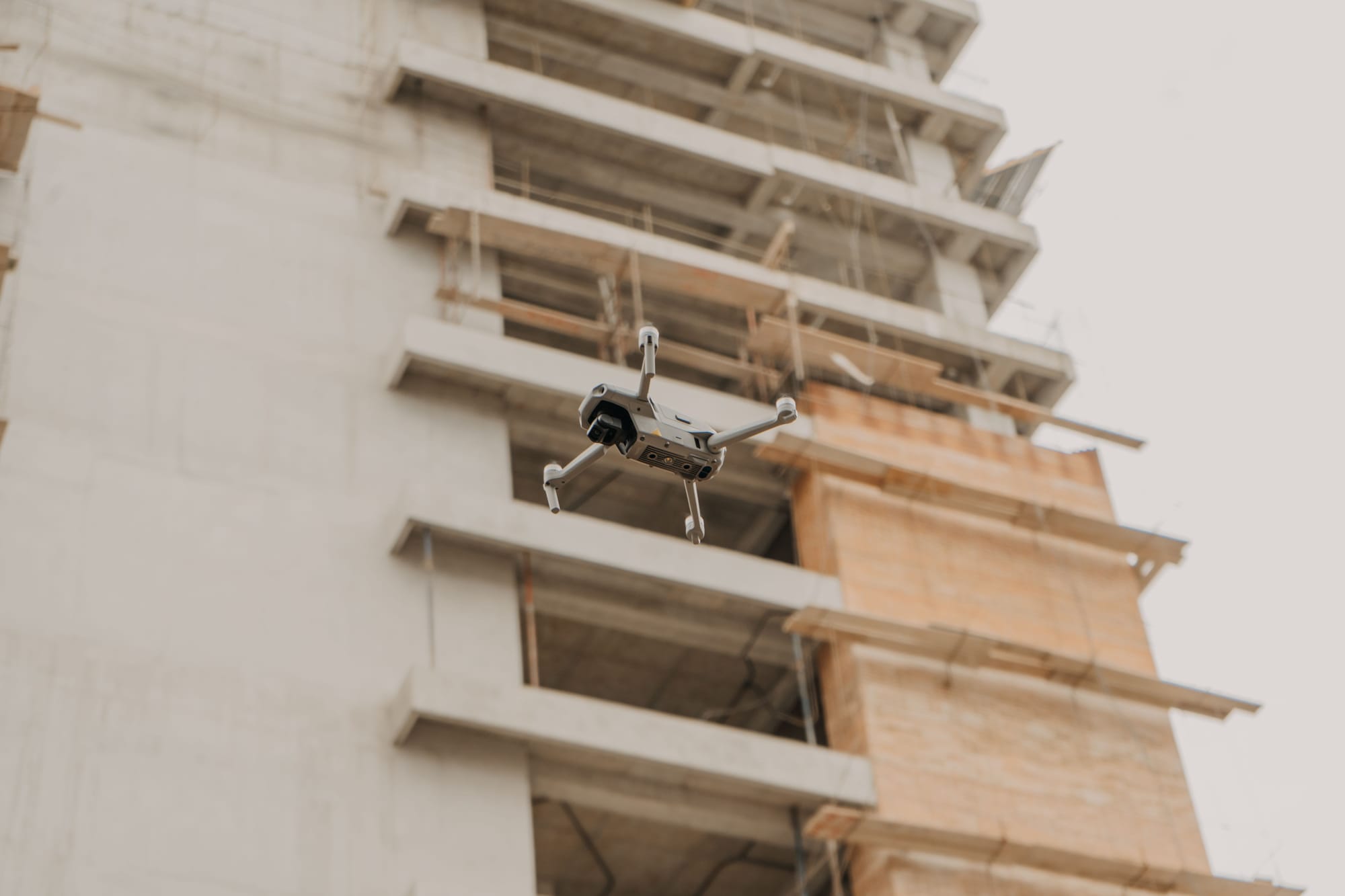
The draft claim that drone adoption has crossed 60 percent on mid-size construction projects could not be verified from a primary source, so the headline has been corrected. The stronger verified point is that drones are now part of normal visual capture on many jobsites.
Across construction, drones, 360 cameras, robotics and software workflows are increasingly used to create a more complete jobsite record.
The Adoption Signal Has Changed
Early construction drone adoption was easy to spot: a pilot showed up, made an orthomosaic and left. The current signal is quieter. Drones are being folded into progress documentation, safety checks, earthwork quantities, subcontractor verification, facade inspection and dispute prevention.
The value is not drone imagery alone. The drone is one input into a project record that can also include ground photos, 360 walks, robotics and software integrations.
What Contractors Should Measure
- Time to information. How quickly does field capture become a usable map, model or report?
- Rework avoided. The value often appears when visual records resolve questions before they become disputes.
- Safety exposure. Drones reduce some ladder, roof and edge inspections, but only with clear flight procedures.
- Integration. Capture data should connect to schedules, drawings, BIM and project-management systems.
The Practical Takeaway
Construction drones are no longer a novelty because the deliverable has changed. The winning workflow is not occasional aerial photography. It is a repeatable visual record that helps the project team see progress, catch issues and defend decisions.

Related reading
Continue the thread.
Related posts are pulled from the same primary topic as the current article.
