
Canada's Drone Regulatory Machine Is Running, Here's What Changed in 2026
Transport Canada's April 2026 Drone Zone newsletter confirms that the regulatory machinery Canada has been building for commercial drone operations is now largely operational, with real implications for anyone flying BVLOS, medium-class drones, or operations near infrastructure.
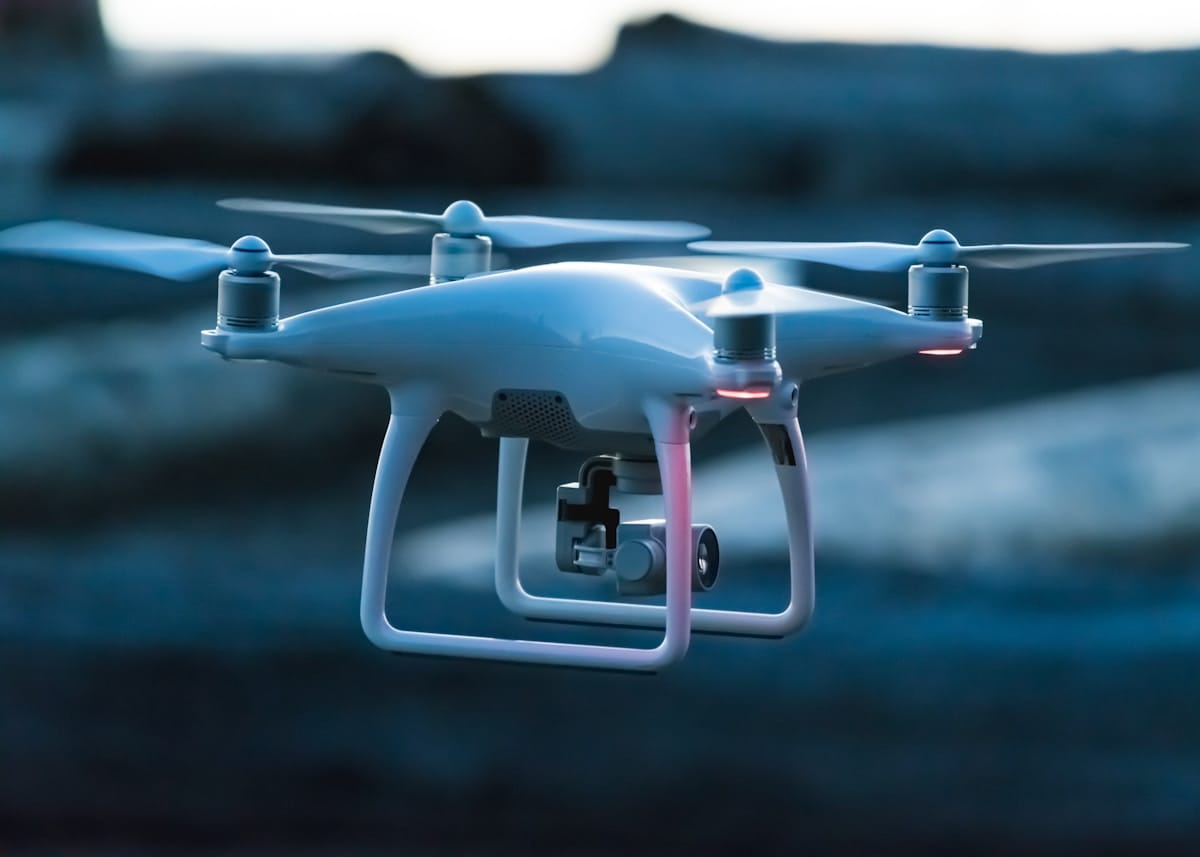
If you've been watching Canada's drone regulatory trajectory, the April 2026 Transport Canada Drone Zone newsletter confirms something operators have been waiting for: the system is live, the certificates are real, and the old "wait and see" posture is no longer defensible.
Here's what changed, and what it means in practice.
If you've been watching Canada's drone regulatory trajectory, the April 2026 Transport Canada Drone Zone newsletter confirms something operators have been waiting for: the system is live, the certificates are real, and the old "wait and see" posture is no longer defensible.
Here's what changed, and what it means in practice.
Bill C-15 Is Law: Drone Security Gets Legal Teeth
On March 26, 2026, Bill C-15 received royal assent. The bill amends the Aeronautics Act to explicitly prohibit unlawful interference with drone operations and, critically authorizes certain entities to interdict drones presenting security risks. This isn't a policy discussion anymore. It's on the books. If you're running operations in contexts where security concerns intersect with airspace, infrastructure inspection near sensitive sites, emergency response in controlled zones, you now need to factor in a legal layer that didn't exist six months ago.
Level 1 Complex Operations: BVLOS Without an SFOC Is Real
The headline regulatory change that most operators have been tracking is the Level 1 Complex Operations certification tier, which opened for applications April 1, 2025 and became operational November 4, 2025. As of late 2025, pilots holding the new certification can conduct lower-risk BVLOS flights, including over sparsely populated areas, without obtaining a separate Special Flight Operations Certificate.
What's the operational significance? For inspection and surveying workflows that previously required expensive, time-consuming SFOC applications, this removes a friction layer that was structurally limiting scale. Medium drone operations (25-150 kg) within visual line-of-sight also expanded under the Advanced Pilot umbrella, with the requirement that the manufacturer provide a safety assurance declaration under Standard 922.
A few operational requirements worth noting: BVLOS flights still require either visual observers or a Detect and Avoid (DAA) system capable of detecting other aircraft with enough lead time for the drone to maneuver safely.
Commercially available obstacle avoidance systems, the kind that detect static obstacles like trees and buildings, are explicitly not compliant with Standard 922.10's DAA requirements. This distinction matters for anyone procuring or configuring systems for BVLOS work.
ISED's C2 Link Consultation: The Spectrum Question Is Still Open
Innovation, Science and Economic Development Canada (ISED) extended its consultation on command and non-payload communications (CNPC) link radios, essentially the C2 link to April 10, 2026. This one doesn't make headlines, but it has real operational implications: if you're running beyond-visual-line-of-sight operations, the reliability and licensing of your command link is not an academic question.
TC AIM Updates: The Reference Manual Changed
The Transport Canada Aeronautical Information Manual received its bi-annual update on March 19, 2026, with the RPA (Remotely Piloted Aircraft) chapter updated. Operators holding certificates under the old framework should note: their existing certificates remain valid, but the operating rules have changed.
What This Means for Commercial Operations
The cumulative picture is a regulatory environment that's maturing faster than many expected. The infrastructure for commercial drone scale, BVLOS without case-by-case certificates, medium-class drone operations, standardized DAA requirements, is in place or actively being built.
The operators who will benefit most are those who treat compliance as infrastructure, not paperwork.
For teams running daily field operations, construction site surveys, infrastructure inspections, agricultural mapping, now is the time to audit whether your current certifications, equipment declarations, and operational procedures match what's actually permitted under the new rules. The grace period for "figuring it out" is closing.

Related reading
Continue the thread.
Related posts are pulled from the same primary topic as the current article.

Transport Canada Just Put the Radio Link in the Weather Section
Transport Canada now places urban command and control guidance beside wind guidance. Brief the radio path and the airflow as one operating environment.

Line-side resupply is the number worth keeping
Aerial resupply of planting crews closed its season with more than a million seedlings delivered. What made it work was not lift capacity, it was removing walking from the crew's day.

Why a rooftop drone response needs its own rulebook
Running emergent aerial response and scheduled investigative flying on the same fleet looks efficient. The first quarter of a Canadian program shows why the two are kept apart.